
Understanding Height Impact on Lifelong Health Outcomes
Height is more than a physical measurement. It reflects a complex interaction between genetics, early-life nutrition, hormonal balance, environmental exposure, and socioeconomic conditions. When we examine height impact on overall health, we uncover meaningful associations with disease risk, metabolic efficiency, musculoskeletal strength, and longevity. We approach this topic by analyzing how stature develops, what it signals biologically, and how it continues to influence health across the lifespan.
Human height is largely determined during childhood and adolescence, yet its consequences extend well into adulthood. Growth patterns serve as indicators of developmental stability, and deviations often correspond with long-term health variations. By evaluating height impact through a scientific and population-based lens, we can better understand its relevance in preventive health and personalized care.
Genetic Foundations and Growth Potential

Genetics establish the blueprint for height. Hundreds of genes contribute to skeletal growth, cartilage development, and hormonal regulation. Parental stature remains one of the strongest predictors of adult height, yet genetics alone do not guarantee optimal growth.
Growth-related genes regulate growth hormone secretion, insulin-like growth factor activity, and bone mineralization. Variations in these genes can affect not only height but also bone density, muscle mass, and metabolic rate. Height impact begins here, as genetic predisposition influences how efficiently the body builds structural tissue during critical growth windows.
However, genetic potential requires supportive conditions to be fully expressed. When environmental factors interfere, height may be compromised, and associated health effects often follow.
Early Nutrition and Developmental Health
Nutrition during pregnancy, infancy, and childhood plays a decisive role in height development. Adequate protein intake, essential fatty acids, calcium, vitamin D, iron, and zinc are necessary for skeletal growth. Undernutrition or micronutrient deficiencies during these stages can permanently limit height potential.
Height impact becomes evident when early nutritional stress correlates with higher risks of cardiovascular disease, insulin resistance, and reduced immune resilience in adulthood. Research consistently shows that populations experiencing childhood malnutrition tend to have shorter average stature alongside increased chronic disease prevalence.
Balanced early nutrition supports linear growth while also shaping organ development, metabolic programming, and hormonal balance, reinforcing the link between height and long-term health stability.
Hormonal Regulation and Growth Dynamics
Hormones orchestrate growth through finely tuned interactions. Growth hormone, thyroid hormones, sex steroids, and cortisol each play distinct roles in determining final height. Disruptions in hormonal signaling can alter growth velocity and skeletal maturation.
Excess cortisol, often associated with chronic stress, suppresses growth hormone activity and impairs bone formation. Thyroid dysfunction affects cartilage development and epiphyseal plate closure. Pubertal timing further influences height impact, as early or delayed puberty can shorten or extend growth periods.
Hormonal balance during development not only affects stature but also influences muscle composition, fat distribution, and metabolic efficiency, all of which contribute to adult health outcomes.
Height Impact on Cardiovascular Health

Height demonstrates a measurable relationship with cardiovascular risk. Taller individuals often show lower risks of coronary artery disease, while shorter stature has been associated with higher rates of hypertension and ischemic heart disease. These associations likely reflect early-life conditions rather than height itself being a direct cause.
Shorter height frequently indicates suboptimal childhood nutrition or illness, which may program the cardiovascular system toward higher risk. Vessel diameter, lung capacity, and cardiac output also vary with stature, influencing circulatory efficiency.
Height impact on cardiovascular health underscores the importance of growth conditions rather than adult interventions alone, highlighting prevention strategies that begin early in life.
Metabolic Function and Disease Risk
Metabolic health shows consistent correlations with height. Shorter individuals tend to have higher risks of type 2 diabetes and metabolic syndrome, while taller individuals often display improved insulin sensitivity. Body composition partly explains this relationship, as taller stature generally corresponds with higher lean mass relative to fat mass.
Height impact extends to energy expenditure and glucose metabolism. Muscle tissue plays a central role in glucose uptake, and greater muscle mass enhances metabolic regulation. Conversely, shorter stature linked to early-life adversity may predispose individuals to altered fat storage patterns and inflammatory responses.
Understanding these patterns allows clinicians to incorporate height as one factor among many when assessing metabolic risk.
Musculoskeletal Strength and Mobility
Height influences skeletal structure, joint alignment, and muscle leverage. Taller individuals often possess longer bones and greater reach, which can support physical performance and occupational capacity. However, increased height also places greater mechanical load on joints, potentially raising the risk of osteoarthritis in weight-bearing areas.
Shorter individuals may benefit from lower joint stress but may experience reduced bone mineral density if growth-limiting factors affected skeletal development. Height impact on musculoskeletal health therefore depends on growth quality, physical activity, and nutritional support throughout life.
Maintaining muscle strength and bone density remains essential across all height ranges to preserve mobility and reduce injury risk.
Height and Cancer Risk Associations

Epidemiological studies reveal that taller height is associated with a slightly increased risk of certain cancers, including breast, colorectal, and prostate cancer. This relationship is thought to reflect higher lifetime exposure to growth factors such as insulin-like growth factor-1, which promotes cell proliferation.
Height impact in this context does not imply causation but highlights biological trade-offs associated with growth. While taller stature may confer metabolic and cardiovascular advantages, it may also increase the number of cells susceptible to malignant transformation.
Risk assessment should therefore integrate height with genetic history, lifestyle factors, and screening practices rather than treating stature as an isolated determinant.
Psychosocial Dimensions of Height Impact
Height also influences psychosocial health. Societal perceptions of height can affect self-esteem, social interaction, and professional opportunities. Taller individuals often experience advantages in leadership perception and income potential, while shorter individuals may encounter bias.
Chronic psychosocial stress related to stature can indirectly affect health by influencing cortisol levels, sleep quality, and behavioral choices. Height impact thus extends beyond biology into mental and emotional well-being, reinforcing the need for inclusive health perspectives that address social determinants.
Longevity and Population Trends
The relationship between height and longevity remains complex. Some studies suggest moderate height is associated with the longest lifespan, while extreme stature at either end may increase health risks. Taller height correlates with lower cardiovascular mortality but higher cancer mortality, balancing overall lifespan outcomes.
Population trends show that average height increases alongside improvements in nutrition, healthcare access, and living conditions. These trends support the idea that height functions as a marker of collective health rather than an independent goal.
Height impact on longevity reflects cumulative life-course influences, emphasizing prevention, equity, and early intervention.
Clinical and Public Health Implications
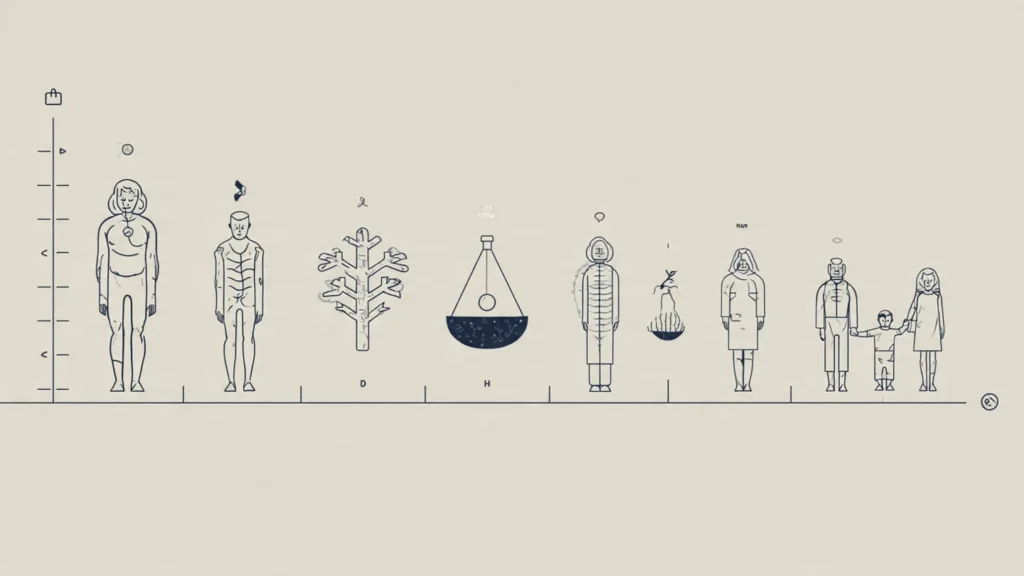
In clinical practice, height provides valuable contextual information. It assists in calculating body mass index, medication dosing, lung function prediction, and disease risk stratification. In public health, average height serves as an indicator of childhood health, food security, and socioeconomic development.
Addressing height impact at a population level requires policies that support maternal health, childhood nutrition, disease prevention, and social stability. These interventions improve growth outcomes while simultaneously reducing long-term disease burden.
Integrating Height Impact into Holistic Health Strategies
Height should be viewed as one component within a broader health framework. While it cannot be modified in adulthood, its implications can inform personalized care, risk awareness, and preventive strategies. Emphasizing early-life investment yields benefits that extend across generations.
By recognizing height impact as a reflection of biological, environmental, and social factors, we strengthen our ability to promote equitable and sustainable health outcomes.