
Introduction to Well-Being Nutrition
Well-being nutrition is more than eating healthy; it’s about fueling your body with foods that elevate your energy, mood, and long-term health. When you understand how food affects your body, you begin to choose what truly supports your well-being.
Why Nutrition Shapes Your Quality of Life
Good nutrition influences immunity, mental clarity, stress levels, and physical performance. When you nourish your body, you experience better sleep, stronger energy, and improved emotional balance.
How Food Choices Affect Long-Term Health
Daily decisions shape your future health. Nutrient-dense foods reduce the risk of chronic disease, support healthy aging, and keep your body functioning at its best.
Essential #1 – Why Whole Foods Should Be the Foundation of Your Well-Being
Whole foods deliver natural nutrients your body recognizes and uses efficiently. They contain vitamins, minerals, fiber, and antioxidants that support overall wellness.
Best Whole Foods to Add Daily
Leafy greens
Berries
Avocados
Whole grains
Nuts and seeds
Legumes
These foods boost energy, stabilize blood sugar, and support digestion.
Essential #2 – Hydration for Energy and Balance
The Real Impact of Water on Your Body
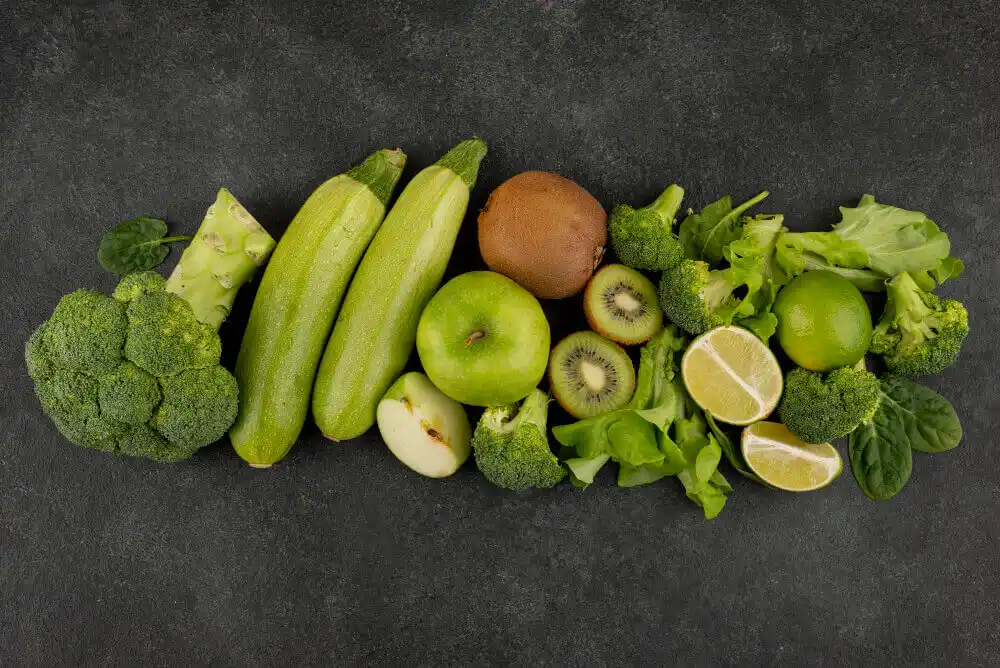
Water is essential for nutrient absorption, temperature regulation, muscle performance, and brain function. Even slight dehydration can reduce your focus and energy.
How Much Water Do You Truly Need
Most adults benefit from 2–3 liters per day. Active individuals or those in hot climates may need more. Hydrating foods like watermelon and cucumber help too.
Essential #3 – Balanced Macronutrients
Protein for Strength and Recovery
Protein supports muscle repair, hormone production, and metabolism. Great sources include lean meats, beans, yogurt, fish, tofu, and eggs.
Healthy Fats for Brain and Hormones
Healthy fats keep your brain sharp and hormones balanced. Choose salmon, olive oil, walnuts, avocados, and chia seeds.
Smart Carbs for Sustained Energy
Whole-food carbs deliver long-lasting energy. Oats, sweet potatoes, quinoa, fruits, and vegetables are excellent choices.
Essential #4 – Micro-Nutrients That Keep You Thriving
Vitamins That Boost Immunity

Vitamins A, C, D, and the B vitamins support immune function, energy levels, and cellular repair.
Minerals for Optimal Body Function
Magnesium, calcium, iron, zinc, and potassium are essential for muscle health, oxygen flow, and overall strength.
Essential #5 – Gut Health and the Power of Probiotics
Why Gut Health Matters for Well-Being
Your gut controls digestion, immunity, mood regulation, and inflammation. A healthy gut means a healthier you.
Foods That Strengthen the Gut
Yogurt
Kefir
Sauerkraut
Kimchi
High-fiber vegetables
These foods promote a balanced microbiome and better digestion.
Essential #6 – Mindful and Intentional Eating
How Mindful Eating Helps Your Body
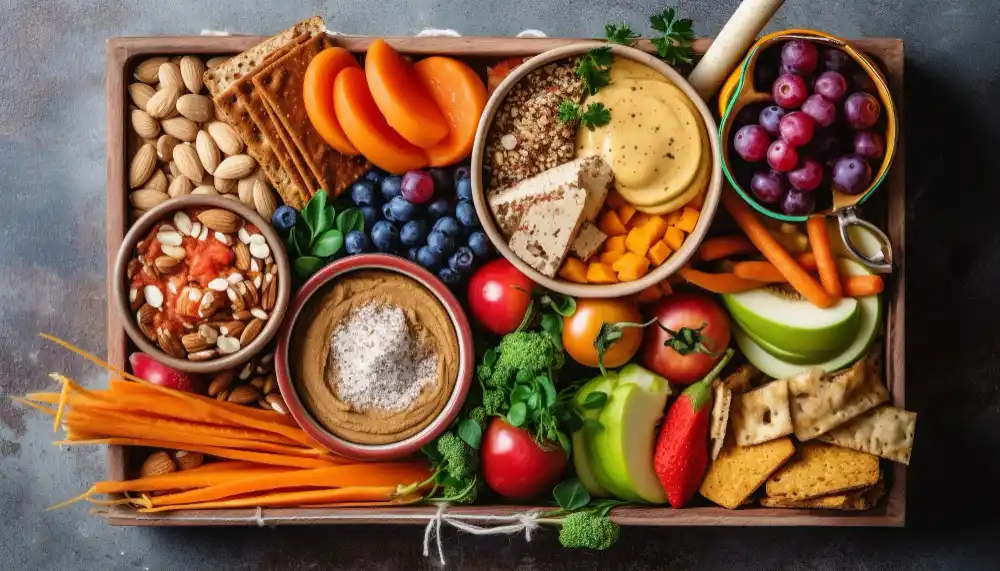
Mindful eating improves digestion, reduces overeating, and strengthens your connection with food. When you slow down, you make better choices.
Tips to Start Eating Mindfully
Eat without screens
Chew slowly
Notice flavors and textures
Stop when comfortably full
Essential #7 – Consistency and Healthy Daily Habits
Small Steps That Lead to Big Results
Small, steady improvements—like adding vegetables or drinking more water—create long-term wellness. Consistency always beats perfection.
Creating a Sustainable Nutrition Routine
Plan simple meals, set realistic goals, and choose habits that fit your lifestyle. Sustainable routines lead to lasting health.
Common Mistakes in Well-Being Nutrition
Restrictive Diets
Extreme diets often fail and cause nutrient deficiencies. Balance is always better.
Skipping Meals
Skipping meals slows metabolism and triggers overeating later.
Ignoring Food Quality
Calories aren’t equal. High-quality, nutrient-rich foods support optimal health and energy.
Simple Meal Ideas for Better Well-Being Nutrition
Breakfast
Oatmeal with nuts and berries
Greek yogurt with fruits
Lunch
Brown rice with lean protein
Quinoa vegetable bowl
Dinner
Grilled salmon with steamed greens
Stir-fried tofu with mixed vegetables
Conclusion
Well-being nutrition is about choosing foods that support your whole body—physically, mentally, and emotionally. When you focus on hydration, whole foods, balanced nutrients, healthy habits, and mindful eating, you build a foundation for long-term health. Start small, stay consistent, and enjoy the benefits of improved well-being every single day.
FAQs
1. What is the purpose of Well-Being Nutrition?
To support your physical and mental wellness with balanced, nutrient-rich foods.
2. How do I start improving my nutrition?
Drink more water, include whole foods, and reduce processed items.
3. Do supplements replace healthy foods?
No. They may help but should never replace real, nutrient-rich foods.
4. Does nutrition affect mood and mental clarity?
Absolutely. Nutrients support brain health, stress control, and focus.
5. Can I still eat my favorite foods?
Yes. Enjoy them in moderation while prioritizing healthier daily choices.