
Introduction
Let’s be real — we all want to wake up feeling energized, stay focused throughout the day, and live long enough to enjoy life’s best moments. The problem? Most people think eating “healthy” means salads and sacrifice. But true wellness isn’t about restriction — it’s about Smart Nutrition. Smart Nutrition helps you eat with purpose — to fuel your body, sharpen your mind, and extend your vitality. Ready to learn how? Let’s unlock the secrets together.
What Is Smart Nutrition?
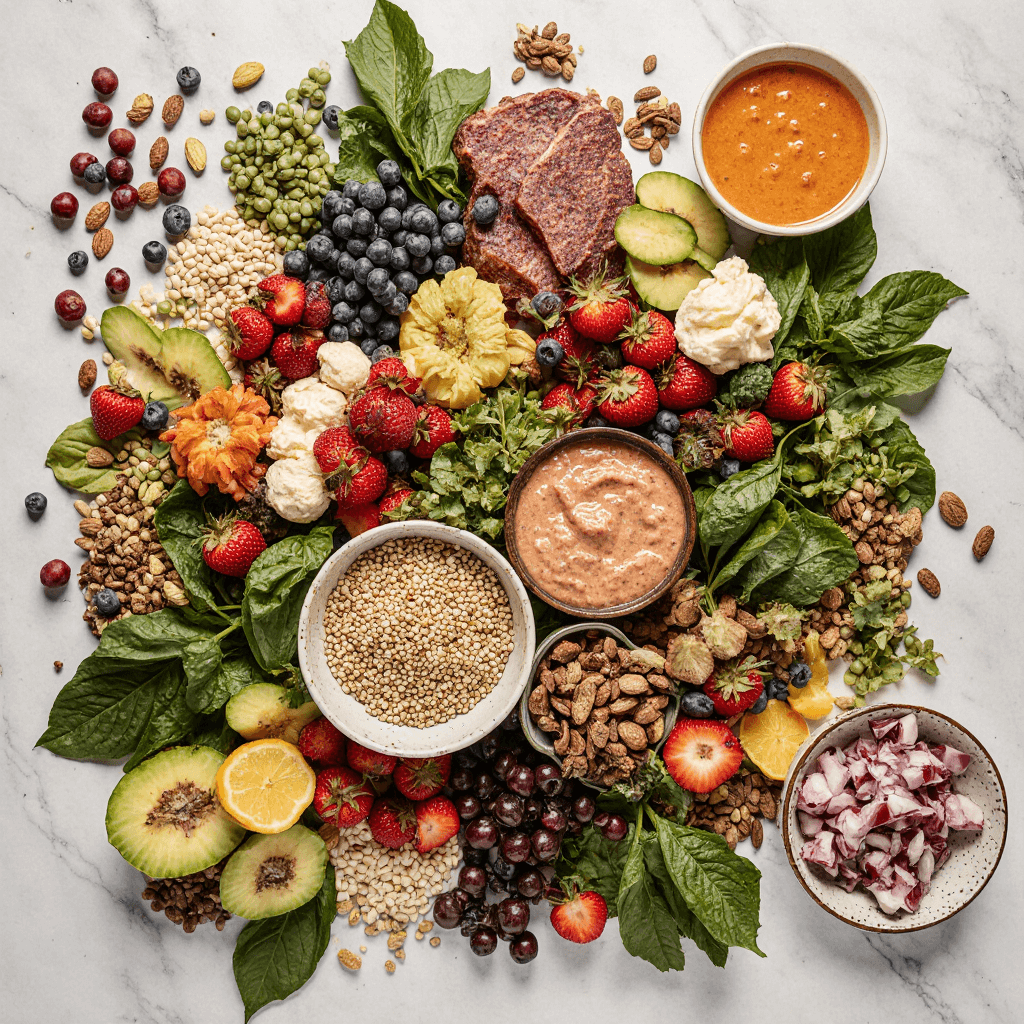
Smart Nutrition isn’t a diet — it’s a mindset. It’s about understanding what your body truly needs and giving it the best version of those nutrients. Instead of counting calories, Smart Nutrition focuses on quality. You’re not eating less — you’re eating smart. That means choosing foods that give you stable energy, support brain performance, and slow down aging.
The Science Behind Smart Nutrition
Think of your body as a high-performance engine. It doesn’t just need fuel — it needs clean, balanced fuel. Nutrients like vitamins, minerals, antioxidants, and healthy fats act as tiny workers keeping your cells active and healthy. Micronutrients, especially magnesium, B vitamins, and omega-3s, play a key role in producing ATP — your body’s energy currency. Meanwhile, antioxidants protect brain cells from stress, helping you stay focused and mentally sharp.
Benefits of Smart Nutrition
Smart Nutrition isn’t just about looking good — it’s about feeling unstoppable. Here are its top benefits:
Boosted Energy: No more mid-day crashes.
Sharper Focus: Better memory and productivity.
Longevity: Fewer health issues and a stronger immune system.
Stable Mood: Balanced nutrition supports serotonin and dopamine production.
In short, Smart Nutrition makes you function at your best — every single day.
The Foundation of Smart Nutrition
Macronutrients: The Big Three
Proteins: Repair and build tissues. Found in eggs, beans, and fish.
Carbs: Your brain’s favorite fuel. Choose whole grains and fruits.
Fats: Don’t fear them! Healthy fats from nuts and olive oil boost brain health.
Micronutrients: The Hidden Heroes
They’re small but mighty — vitamins and minerals like zinc, iron, and vitamin D keep your body functioning properly.
Hydration: The Overlooked Essential
Even mild dehydration can reduce focus and energy. Drink water consistently throughout the day.
Smart Nutrition Morning Routine
Start your day smart. A balanced breakfast fuels your metabolism and improves focus.
Best Morning Foods:
Oats with berries and chia seeds
Eggs with avocado and spinach
Greek yogurt with almonds and honey
Best Drinks:Lemon water for hydration
Green tea for antioxidants
Black coffee (in moderation) for focus
Avoid sugary cereals and pastries — they spike blood sugar and drain your energy fast.
Midday Smart Nutrition Habits
By lunchtime, your body needs a steady supply of energy — not a heavy meal that puts you to sleep.
Smart Lunch Ideas:
Grilled chicken with quinoa and vegetables
Tofu stir-fry with brown rice
Lentil soup with whole-grain bread
Smart Snacks:A handful of mixed nuts
Carrot sticks with hummus
A banana with peanut butter
These combinations keep your energy and focus stable without the crash.
Evening Nutrition for Recovery
At night, your body rebuilds — so choose foods that help it repair.
Smart Dinner Options:
Baked salmon with sweet potato
Vegetable stew with lentils
Light soups with leafy greens
Avoid heavy or fried foods; they slow down digestion and interfere with sleep quality.
Smart Nutrition for Brain Health
Your brain consumes 20% of your daily energy — so feed it well. Omega-3 fatty acids from fish, antioxidants from berries, and dark chocolate all enhance cognitive function. Add walnuts, flaxseeds, and blueberries to your daily meals to keep your brain sharp and focused.
Smart Nutrition for Longevity
Want to age gracefully? Smart Nutrition is your secret weapon. Foods rich in antioxidants (like spinach, broccoli, and turmeric) fight free radicals, while green tea and berries reduce inflammation. Combine that with healthy sleep and movement, and you’re building a foundation for a long, vibrant life.
Smart Grocery Shopping
Becoming nutrition-smart starts in the grocery store.
Tips:
Shop the perimeter — that’s where fresh foods live.
Read labels carefully. Avoid ingredients you can’t pronounce.
Stock up on whole foods like grains, nuts, fruits, and vegetables.
Meal Planning Made Easy
Plan to avoid bad food decisions.
Example Smart Day Plan:
Breakfast: Oats, berries, and almonds
Lunch: Grilled salmon with greens
Snack: Apple with nut butter
Dinner: Quinoa bowl with chickpeas and roasted vegetables
Consistency is key — even one smart meal at a time adds up.
Common Mistakes to Avoid
Thinking “low-fat” equals healthy
Skipping meals (it slows metabolism)
Overusing supplements instead of real food
Drinking calories in sodas or juices
Stay mindful — Smart Nutrition is about balance, not extremes.
Simple Smart Nutrition Hacks
Pre-cut veggies for quick cooking
Use herbs and spices instead of sauces
Replace sugary snacks with fruits
Cook once, eat twice — meal prep saves time and health
Conclusion
Smart Nutrition isn’t a trend — it’s a lifestyle shift. It’s about learning what your body needs and feeding it intelligently. When you eat smart, you think clearer, move better, and live longer. Remember — every bite is either healing or harming. Choose smartly, and you’ll unlock your best self.
FAQs
1. What’s the main idea behind Smart Nutrition?
Smart Nutrition focuses on eating quality foods that improve energy, focus, and long-term health — not restriction or calorie obsession.
2. Can Smart Nutrition help me lose weight?
Yes. When you eat nutrient-rich foods and balance your meals, your metabolism naturally improves, leading to sustainable weight loss.
3. How soon will I see results?
Most people feel more energetic and focused within one week of eating smart consistently.
4. Do I need supplements for Smart Nutrition?
Only if you have deficiencies. Whole foods should always come first.
5. Can I practice Smart Nutrition on a budget?
Absolutely! Focus on simple whole foods — rice, eggs, lentils, and seasonal veggies — they’re affordable and incredibly nutritious.