
What Is Sleep Paralysis?
Sleep paralysis is a temporary inability to move or speak that occurs when you’re falling asleep or waking up. During an episode, you’re mentally awake but physically unable to move — often accompanied by feelings of pressure, fear, or even hallucinations. While it can be frightening, sleep paralysis is generally harmless.
What Causes Sleep Paralysis?
Sleep paralysis happens when your body experiences a disconnect between sleep cycles — especially REM sleep, where most dreaming occurs. Your brain wakes up before your muscles do, causing temporary paralysis.
Common causes include:
Sleep deprivation
Irregular sleep schedule
Stress or anxiety
Sleeping on your back
Use of certain medications or substances
Other sleep disorders like narcolepsy
What Does It Feel Like?

People experiencing sleep paralysis often report:
Being unable to move or speak
A heavy pressure on the chest
Hallucinations, such as sensing a presence or shadowy figure
Shortness of breath or choking feeling
Feeling panicked but fully aware
These symptoms usually last from a few seconds to a couple of minutes.
Is Sleep Paralysis Dangerous?
Although terrifying, sleep paralysis is not dangerous and doesn’t cause physical harm. It is more common than many realize and affects people of all ages — often during periods of stress, poor sleep, or major life changes.
However, if episodes are frequent and severely impact your sleep or mental health, it may be linked to another underlying condition and should be discussed with a medical professional.
How to Prevent Sleep Paralysis?
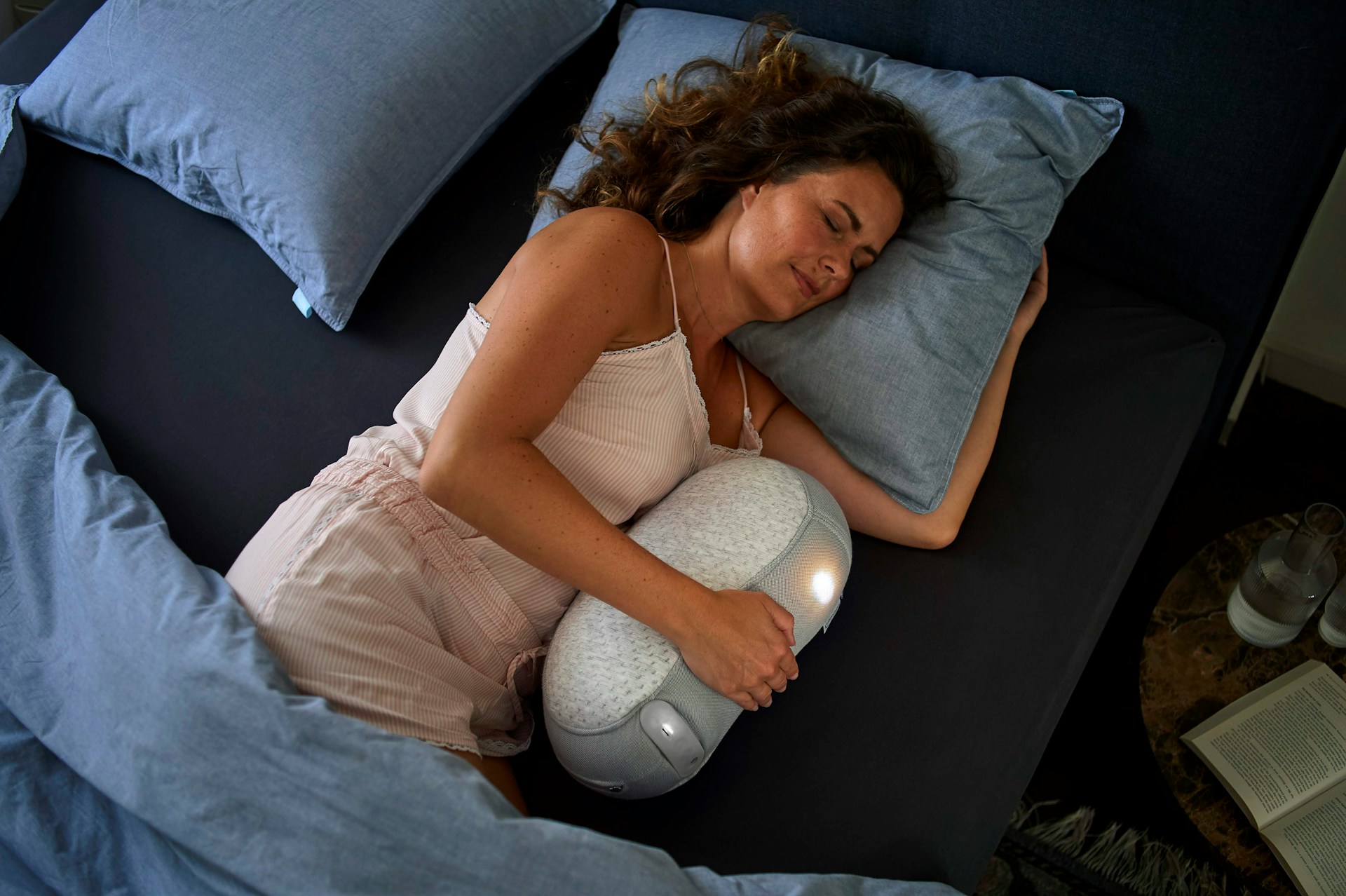
Improving your sleep habits and reducing stress can significantly lower your chances of experiencing sleep paralysis. Here are some proven strategies:
1. Get Consistent, Quality Sleep
Aim for 7–9 hours per night and maintain a regular sleep-wake schedule — even on weekends.
2. Reduce Stress and Anxiety
Practice calming activities like deep breathing, meditation, journaling, or yoga before bed.
3. Improve Sleep Hygiene
Keep your bedroom cool, dark, and quiet
Avoid screens at least an hour before bedtime
Don’t eat heavy meals or drink caffeine late in the evening
4. Avoid Sleeping on Your Back
Back sleeping is commonly associated with episodes of sleep paralysis. Try sleeping on your side.
5. Limit Alcohol and Substance Use
These can interfere with your sleep cycle and increase the risk of disrupted REM sleep.
When to See a Doctor?
If you experience frequent or disturbing episodes of sleep paralysis that affect your quality of life, talk to a healthcare provider or sleep specialist. It may be a sign of a more serious sleep disorder like narcolepsy or sleep apnea.
The Role of Sleep Cycles in Sleep Paralysis
Sleep paralysis is closely connected to the different stages of sleep, especially REM (Rapid Eye Movement) sleep. During REM, your brain is highly active, and this is when most dreaming occurs. Normally, your body undergoes temporary paralysis during REM to prevent physically acting out your dreams. Sleep paralysis happens when your mind wakes up before your body’s muscles do, causing a brief disconnect. Understanding this mechanism can help reduce fear, as the experience is simply a temporary misalignment between the brain and body rather than anything dangerous or supernatural.
Lifestyle Factors That Affect Sleep Paralysis
Several lifestyle habits can make sleep paralysis more likely. Irregular sleep schedules, late-night screen usage, high caffeine intake, or sleeping on your back can all trigger episodes. Stress and anxiety amplify the risk by disrupting normal sleep patterns. Making small, consistent changes—like keeping a regular bedtime, avoiding caffeine in the evening, and managing stress with meditation or journaling—can significantly reduce the frequency and intensity of episodes. Even simple adjustments, like sleeping on your side instead of your back, can make a noticeable difference.
Coping Strategies During an Episode
Experiencing sleep paralysis can be frightening, but there are ways to cope in the moment. Focusing on small movements, like wiggling your fingers or toes, can help break the paralysis. Remaining calm and remembering that the episode is temporary can also reduce anxiety. Some people find controlled breathing or mental visualization helpful, imagining themselves in a peaceful environment until the episode passes. Knowing these strategies can empower you and make the experience less intimidating, ensuring that sleep paralysis does not interfere with your overall rest.
Conclusion
Sleep paralysis is a strange but common sleep phenomenon that many people experience at some point. While it can be deeply unsettling, understanding the causes and how to prevent it can ease your fears and help you sleep better. By improving sleep habits and managing stress, you can reduce the chances of future episodes and enjoy more peaceful rest.