
How to Reset Your circadian rhythm in Just a Few Days
Have you ever felt like your body has the wrong time zone, no matter how long you sleep? Maybe you’re dragging all morning, wide-eyed at 2 AM, or eating dinner at 11 PM out of habit. If that sounds familiar, your circadian rhythm might be out of sync — and you’re not alone. Research shows nearly 1 in 3 adults suffer from irregular sleep patterns linked to mismatched body clocks.
The good news? Resetting it isn’t complicated once you understand how it works. Think of your circadian rhythm as your body’s internal timekeeper — a 24-hour loop of signals that controls when you feel awake, sleepy, hungry, or ready to move. When it’s aligned, you fall asleep faster, wake up energized, and even digest better. But after late nights, cross-country flights, or pandemic-related schedule shifts, it’s easy to lose that rhythm entirely. The good news is, there are simple science-backed strategies that can get you back on track.
What Exactly Is Your Body Clock?
Your circadian rhythm, body clock sleep, circadian rhythm diet, light and sleep cycle is a natural timing system that operates in the background of your brain — like a silent conductor managing your sleep-wake cycles, hormones, mood, digestion, and even body temperature. It’s why you’re naturally sleepy after lunch, alert at 10 AM, and drowsy at 10 PM (if everything’s on schedule).
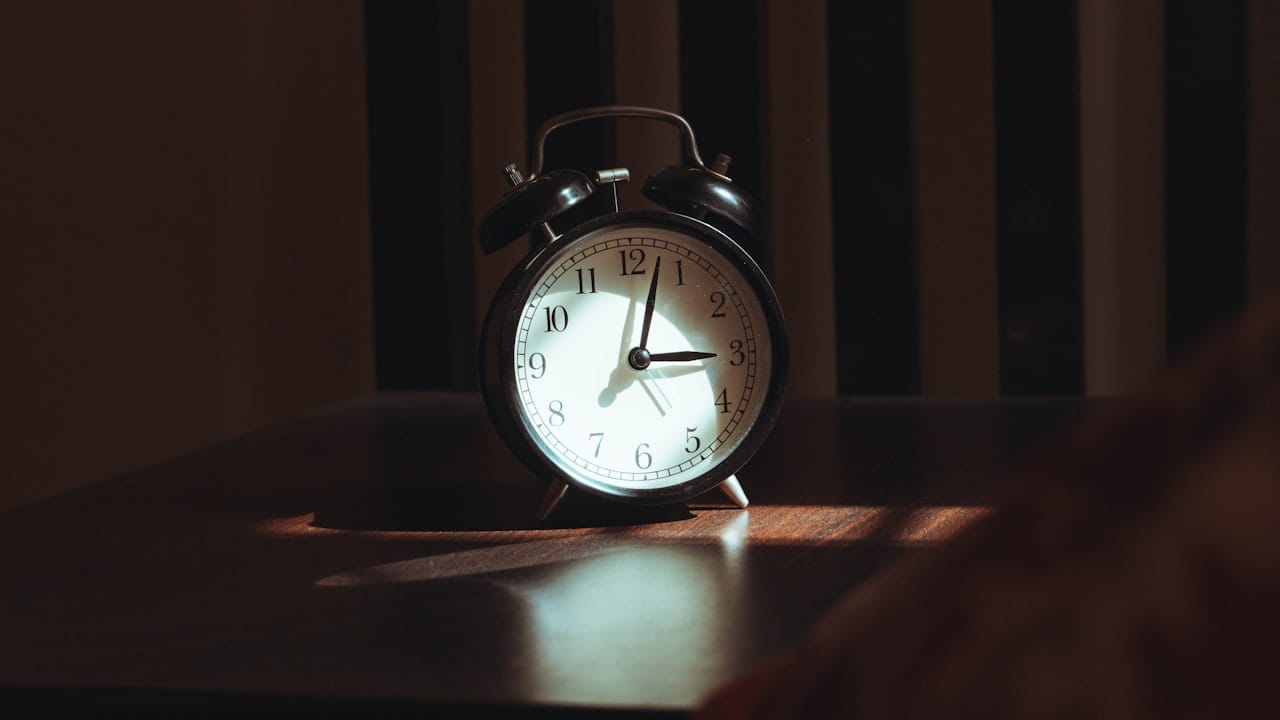
This clock is heavily influenced by environmental cues — especially light. Morning sunlight tells your brain, ‘It’s time to be alert!’ while darkness triggers the release of melatonin, your sleep hormone. When those cues get disrupted — by late-night Netflix binges, night shifts, or endless screen scrolling — it’s like throwing your internal gears out of alignment. You end up in this foggy, exhausted-but-wired state that makes it hard to fall asleep even when you’re exhausted.
The Real Benefits: Why Fix Your circadian rhythm?
Taking time to reset your circadian rhythm isn’t just about sleeping better — it impacts nearly every part of your health. Here are the science-backed perks you can expect when your body clock is in sync:
- ✅ Easier, deeper sleep — You fall asleep within 15-20 minutes, with fewer middle-of-the-night wake-ups
- ✅ More daytime energy — No more 3 PM crash when your rhythm is locked in, according to chronobiology research from the University of Colorado
- ✅ Improved digestion and metabolism — Eating in sync with your internal clock may improve fat burning and insulin sensitivity
- ✅ Better mood and focus — Your brain gets clearer thinking windows and more stable emotional states
- ✅ Hormonal balance — Regular light exposure helps regulate cortisol (stress hormone) and melatonin production
Sounds good, right? Let’s get into exactly how to make it happen.
How to Reset Your Circadian Rhythm Step by Step
Step 1: Anchor Your Wake Time — No Matter What
The fastest way to retrain your body clock is by locking in your wake-up time — yes, even on weekends. Pick a time you can realistically stick to every day, within a 30-minute window. This creates a consistent cue for your brain to start releasing alertness hormones. Snoozing disrupts these processes, so resist the urge to linger in bed past your set time.
After waking, expose yourself to natural sunlight within 30-60 minutes. This morning light signals your brain to shut off melatonin production. Even if it’s overcast, natural daylight is far brighter than indoor lighting and delivers the photonic “kick” your circadian system needs. If real sun isn’t available, consider a 10,000-lux therapy lamp placed 16-24 inches away for 20 minutes.
Step 2: Time Your Light Exposure Like a Pro
Light is the strongest cue that shapes your circadian rhythm. In the morning, aim for at least 20 minutes of bright, natural light. At night, avoid anything brighter than a dim lamp after 8 PM. Blue light from phones, tablets, and TVs interferes with melatonin production — short-wavelength blue suppresses it more than any other color. Consider installing dimmer switches or using night mode on devices.
If you need to be on a screen past sunset, use blue-blocking glasses or apps like f.lux or Apple’s Night Shift. These won’t completely fix things, but they help. You’re engineering your environment so your brain knows exactly when it’s day and night — no guessing.
Step 3: Eat Lightly and Early in the Evening
Your digestive system follows a rhythm, too. Eating late sends your body mixed signals — isn’t it still daytime if we’re having a full meal? Research suggests stopping food intake at least 3 hours before bedtime helps your glucose levels normalize and body cool down for deeper sleep. If you must eat late, stick to small, protein-rich snacks rather than heavy, high-carb meals.
Hydration matters as well. Drink most of your water earlier in the day to prevent late-night bathroom trips. However, if you occasionally wake up parched, a small sip before bed is better than waking dehydrated — just don’t chug a whole glass.
Step 4: Cool Down Your Body Temperature
Your internal temperature drops by about 1-2°F when preparing for sleep. You can nudge this natural drop along by keeping your bedroom between 60-67°F (15-19°C) and taking a warm shower 1-2 hours before bed. It sounds counterintuitive, but warm water brings blood to your skin’s surface; when you step out, that heat rapidly dissipates, creating a temperature plunge that acts as a biological sleep signal.
Step 5: Hack the Final Hour with a Wind-Down Routine
Your brain needs a transition period from 100% active to ready-for-rest. Block off the last 60 minutes before bed for analog, low-stimulation activities: reading a physical book, gentle stretching, or mindfulness meditation. Avoid anything that spikes adrenaline — cliffhangers, intense conversations, or thrilling video games.
If you work a mentally demanding job, consider a short 5-minute journaling session to unload racing thoughts onto paper. It’s not wasted time — it’s a signal to your brain that the day is over and rest can begin without interference.
The Biggest Mistakes That Derail Your Progress
Even when you know what to do, certain habits can sabotage your efforts. Watch out for these pitfalls:
- Sleeping in on weekends — Shifts your clock like flying across time zones; better to nap slightly in early afternoon if needed
- Late-night exercise — Intense workouts within 2-3 hours of bedtime raise core temperature and heart rate, delaying sleep onset. Gentle yoga is fine, but leave HIIT for morning.
- Ignoring meal timing — Large dinners (especially carb-heavy ones) can push back your body’s wind-down signals
- Over-reliance on melatonin supplements — Useful for short-term jet lag, but daily long-term use can suppress your natural production. Only use under guidance.
Expert Tips for Maximum Results
- Track your patterns: Use free apps like Sleep Cycle or a simple journal to log wake times, meals, and mood for 7 days. Patterns emerge you’d never notice otherwise.
- Be strategic with naps: If absolutely needed, limit naps to 20 minutes before 3 PM. Anything longer messes with nighttime sleep pressure.
- Adjust slowly if needed: Shifting your bedtime in 15-minute increments over several days is gentler than an abrupt change, especially for night owls.
- Fresh air counts as light exposure: Can’t get outside? Open your curtains wide or sit near a large window first thing — every bit helps.
Who Should Try This?
Anyone who feels ‘off’ in terms of energy, mood, or sleep quality can benefit. It’s especially powerful if you work irregular hours, have traveled across time zones recently, or find yourself binge-watching until sunrise habitually. Parents juggling childcare, remote workers detached from outdoor light, and athletes needing optimal recovery — this method helps all of you.
There are exceptions: those with chronic insomnia, certain neurological conditions, or shift workers on rotating schedules may need additional approaches. If you’re unsure, consult a healthcare provider, especially before supplementing with sleep aids.
Ready to Get Your Energy Back?
Your circadian rhythm isn’t something you’re stuck with — it’s something you can shape and optimize. Within just a few days of committing to consistent wake times, morning light, and smart wind-down habits, most people start feeling clearer, lighter, and more energetic. Imagine waking up without an alarm, feeling naturally alert by mid-morning, and drifting off smoothly at night — that’s what an aligned body clock feels like.
Small, steady adjustments compound into massive changes over time. Want to go deeper? Explore our related post on circadian rhythm for natural sleep support without medication.
FAQs: Your circadian rhythm Reset Questions Answered
Q1: How long does it take to reset your circadian rhythm?
Most people notice improvements within 3-5 days, with full stabilization around 7-10 days, provided you stick with consistent wake times and light exposure.
Q2: Does intermittent fasting help reset your body clock?
It can. Studies suggest that timed eating windows that align with daylight (eating earlier in the day) reinforces circadian cues in the brain and liver.
Q3: Can I fix my sleep schedule without going outside?
Natural light is best, but bright artificial light (especially daylight-mimicking lamps) can help. Still, aim for at least 15 minutes of outdoor light if possible.
Q4: What if I can’t fall asleep during the reset?
If you’re in bed for more than 20-30 minutes without sleep, get up, do something boring in dim light, and return when sleepy. Lying awake conditions your brain to associate bed with alertness, worsening insomnia.
Q5: Is it okay to use melatonin during this process?
Short-term, low-dose melatonin (0.5-3 mg) can help, especially for jet lag, but it’s not a long-term fix. Focus on behavioral cues like light and timing for sustainable results.