
Brushing teeth is a fundamental part of daily hygiene, yet most people are unknowingly committing mistakes that could harm their oral and overall health. While millions focus on choosing the right toothpaste or brushing technique, a critical misstep occurs after brushing that often goes unnoticed. Understanding this mistake and its consequences is essential for maintaining optimal oral health and preventing long-term complications.
The Importance of Proper Oral Hygiene
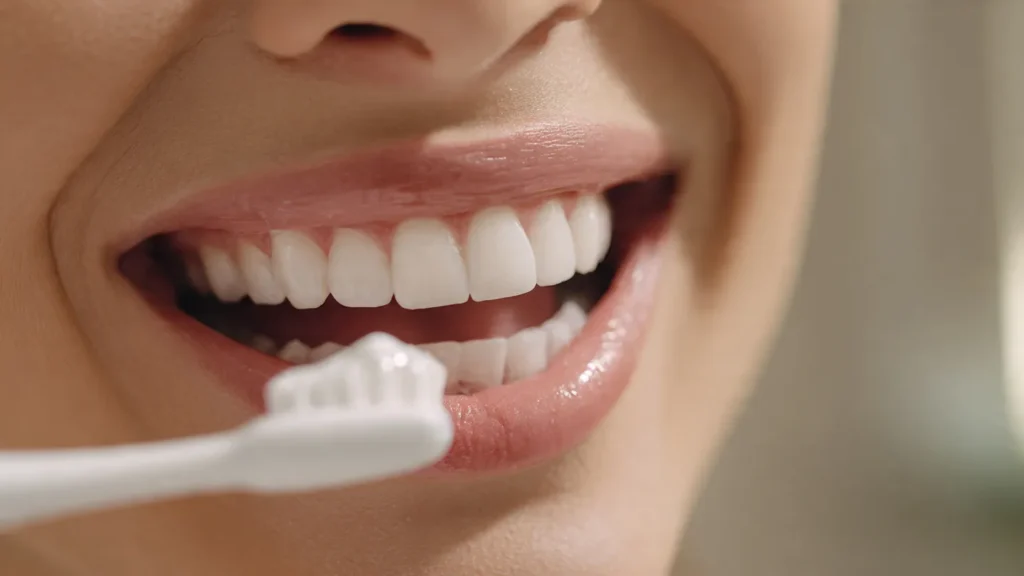
Oral health is not just about a bright smile. Brushing teeth correctly removes harmful plaque, prevents cavities, and protects against gum disease. However, even with consistent brushing, improper post-brushing habits can negate these benefits. Research shows that oral hygiene directly influences systemic health, including cardiovascular function, diabetes management, and even cognitive health. Therefore, mastering both the brushing process and subsequent care is crucial.
Common Mistakes Made After Brushing
Despite spending adequate time brushing, millions make a simple yet harmful mistake: rinsing with water or mouthwash immediately after brushing. This habit, though seemingly harmless, can dilute the fluoride in toothpaste, which is designed to protect enamel and strengthen teeth. Fluoride works best when allowed to stay on the teeth for a period after brushing. Rinsing too soon washes away this protective layer, leaving teeth vulnerable to decay and sensitivity.
The Science Behind Fluoride Retention
Fluoride in toothpaste forms a protective layer called fluorapatite, which strengthens enamel and makes teeth resistant to acids produced by bacteria. When we rinse immediately, we remove a significant portion of fluoride, reducing its effectiveness. Studies suggest that waiting at least 30 minutes before rinsing or eating allows the fluoride to maximize its protective benefits. Failing to follow this simple step can increase the risk of cavities and enamel erosion over time.
Timing and Frequency of Brushing
While many focus on technique, timing is equally crucial. Experts recommend brushing twice a day, preferably in the morning and before bed. Brushing after meals, especially acidic foods, can also help reduce acid buildup, but immediate brushing after highly acidic meals may damage enamel. Waiting 20–30 minutes after eating acidic foods ensures that enamel has had time to re-harden before exposure to toothbrush abrasion.
Recommended Brushing Duration and Technique
Proper brushing teeth technique requires at least two minutes per session. Use gentle, circular motions, covering all surfaces of the teeth, including the inner, outer, and chewing surfaces. Aggressive brushing can cause gum recession and enamel wear. Combining correct technique with appropriate timing amplifies the benefits of fluoride and reduces oral health risks.
Mouthwash Misconceptions
Many people believe that using mouthwash immediately after brushing enhances cleanliness. While mouthwash has benefits, using it right after brushing can rinse away fluoride from toothpaste. To maintain maximum protection, it is recommended to use mouthwash at a different time, preferably before brushing in the morning or after meals, but not immediately afterward.
Choosing the Right Mouthwash
When selecting a mouthwash, opt for fluoride-containing rinses if you are not rinsing after brushing. Alcohol-free formulas are gentler on the gums and prevent dryness. Incorporating mouthwash strategically can improve oral health without compromising the protective effects of toothpaste.
Additional Post-Brushing Habits That Affect Oral Health
Avoid Eating or Drinking Immediately
Consuming food or beverages right after brushing reduces fluoride contact time, weakening its preventive effects. Ideally, wait at least 30 minutes before consuming acidic or sugary foods.
Proper Toothbrush Care
Storing a toothbrush properly after use is critical. A damp, unventilated toothbrush harbors bacteria, potentially reintroducing harmful microbes into your mouth during the next brushing session. Rinse the toothbrush thoroughly and allow it to air-dry in an upright position.
Regular Toothbrush Replacement
Experts recommend replacing toothbrushes every three months or sooner if bristles are frayed. Worn brushes fail to clean effectively and can irritate gums.
The Role of Diet in Maintaining Oral Health
Brushing alone is not sufficient. Diet plays a significant role in oral hygiene. Limiting sugary and acidic foods, maintaining proper hydration, and consuming calcium-rich foods help protect enamel. Certain foods, such as cheese and fibrous vegetables, can naturally clean teeth and promote saliva production, which neutralizes harmful acids.
Hydration and Saliva Production
Saliva acts as a natural defense mechanism, washing away food particles and neutralizing acids. Drinking adequate water throughout the day supports saliva production, maintaining oral health even between brushing sessions.
Recognizing Early Signs of Dental Issues
Early detection of oral problems is essential. Signs such as bleeding gums, tooth sensitivity, persistent bad breath, or discoloration indicate that brushing habits may be insufficient or that post-brushing practices are flawed. Regular dental check-ups can prevent minor issues from escalating into severe conditions.
Professional Dental Care and Guidance
While maintaining proper brushing habits is essential, routine professional care cannot be overlooked. Dentists provide professional cleanings, fluoride treatments, and personalized guidance that reinforce the benefits of daily brushing. Scheduling dental visits twice a year ensures early detection and timely intervention for any oral health issues.
Lifestyle Factors That Influence Oral Health
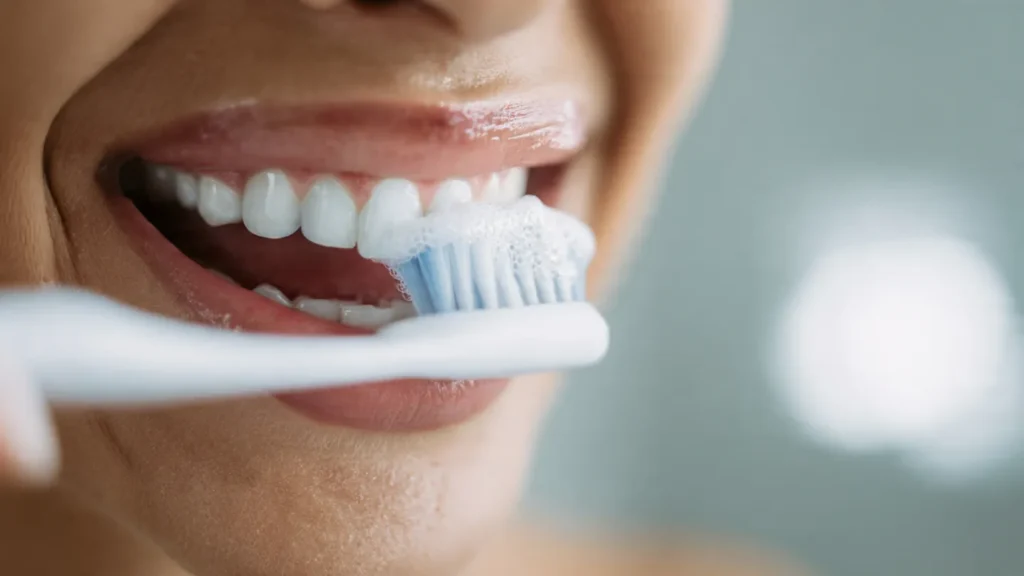
Certain lifestyle choices can undermine brushing efforts. Smoking, excessive alcohol consumption, and stress negatively impact oral health. Smoking reduces blood flow to the gums, increasing the risk of gum disease. Alcohol contributes to enamel erosion and dry mouth. Stress may lead to teeth grinding, causing enamel wear. Incorporating healthy habits supports oral hygiene and amplifies the benefits of brushing.
Integrating a Holistic Oral Health Routine
A holistic approach to oral health goes beyond brushing. Combining proper technique, strategic fluoride use, a balanced diet, adequate hydration, stress management, and regular dental visits creates a comprehensive system that protects teeth and gums effectively. Awareness and small behavioral adjustments, like waiting after brushing before rinsing, can yield significant long-term benefits.
Conclusion: The Simple Change That Makes a Difference
Millions unknowingly compromise their oral health with a simple post-brushing mistake: rinsing or eating immediately after brushing. Allowing fluoride to remain on teeth, practicing proper timing and technique, and supporting oral hygiene with diet and lifestyle choices can dramatically improve dental health. Small adjustments yield lasting results, preventing cavities, gum disease, and other complications while maintaining a healthy smile for life.