
Introduction to Daily Hygiene and Leg Care
Personal hygiene routines have evolved alongside modern dermatological science, yet questions remain about the necessity of washing every body part with soap each day. One of the most debated topics in this context is whether it is essential to Wash Legs during a regular shower. We examine this subject from a clinical and practical perspective, drawing on expert medical insights and evidence-based hygiene principles. Our aim is to present a clear, authoritative discussion that aligns daily habits with skin health and overall well-being.
Understanding Skin Physiology on the Legs
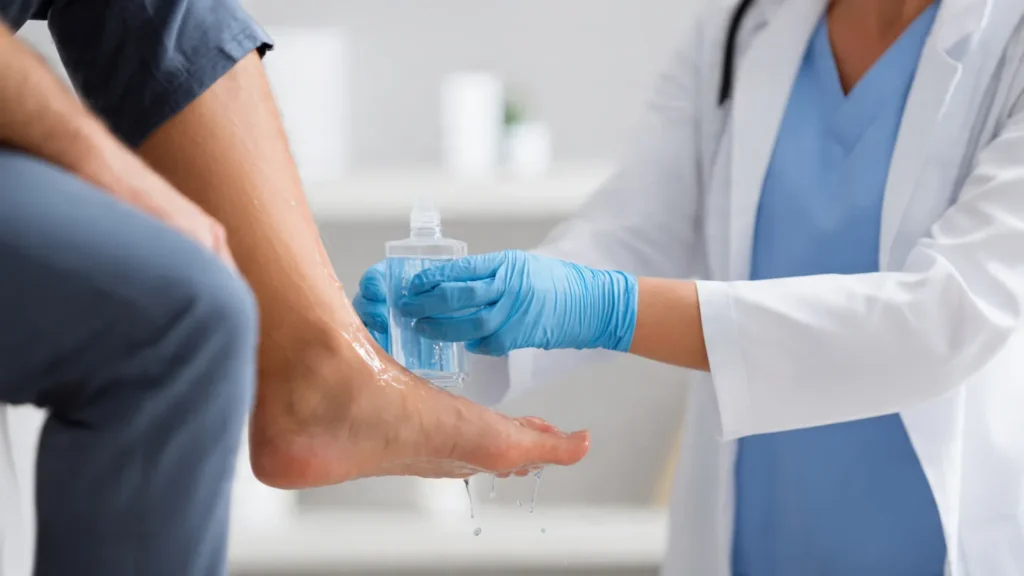
The skin on the legs differs significantly from that on the face, hands, or underarms. It has fewer sebaceous glands, meaning it produces less natural oil. This characteristic makes leg skin more prone to dryness and irritation when exposed to frequent cleansing agents. When we Wash Legs excessively with soap, we may disrupt the natural lipid barrier that protects against environmental irritants and moisture loss. Maintaining this balance is a central concern in dermatology.
Medical Perspective on Washing the Legs
From a doctor’s standpoint, routine leg washing with soap is not always medically necessary for individuals who maintain a generally clean lifestyle. In clinical practice, we observe that water alone can remove sweat, dust, and superficial debris from the legs. Soap becomes necessary only when visible dirt, sweat buildup, or exposure to contaminants occurs. For most people, especially those with sensitive or dry skin, limiting soap use on the legs can support healthier skin over time.
When Washing Legs Is Essential
There are specific situations where it is advisable to Wash Legs thoroughly with soap. These include periods of intense physical activity, occupations involving exposure to dirt or chemicals, and climates that promote heavy sweating. In such cases, cleansing helps prevent bacterial growth and skin infections. We also recommend attentive leg washing for individuals prone to folliculitis, fungal infections, or those recovering from minor cuts or abrasions.
The Role of Sweat and Bacteria

Sweat itself is odorless, but when it interacts with bacteria on the skin’s surface, unpleasant smells and irritation may develop. The legs typically harbor fewer odor-causing bacteria than areas like the feet or underarms. As a result, routine leg cleansing does not require the same intensity. We emphasize a targeted approach, focusing on areas with higher bacterial activity while allowing less active regions to benefit from gentler care.
Impact of Overwashing on Skin Health
Overwashing can be as problematic as neglecting hygiene. Frequent use of soap strips away essential oils and disrupts the skin’s microbiome. We see patients who experience itching, flaking, and redness due to aggressive cleansing routines. By reducing the frequency with which we Wash Legs using soap, we can preserve the skin’s protective barrier and reduce the risk of chronic dryness and irritation.
Choosing the Right Cleansing Products
When soap is necessary, product selection matters. Mild, fragrance-free cleansers with a neutral pH are preferable. We advise avoiding harsh antibacterial soaps for daily use, as they can further disturb the skin’s natural balance. Cream-based or moisturizing cleansers support hydration while still providing effective cleansing. This approach ensures that leg skin remains resilient and comfortable.
Water Temperature and Washing Technique
Hot water may feel soothing, but it contributes to moisture loss and skin sensitivity. We recommend using lukewarm water when washing the legs. Gentle hand cleansing is sufficient; abrasive scrubs or loofahs should be used sparingly. This technique minimizes mechanical irritation and supports the skin’s natural renewal process.
Special Considerations for Different Skin Types
Skin type plays a crucial role in determining how often we should Wash Legs. Individuals with eczema, psoriasis, or chronically dry skin benefit from minimal soap use. Conversely, those with oily or acne-prone skin on the legs may require more frequent cleansing. Tailoring hygiene practices to individual skin needs leads to better outcomes and long-term comfort.
Cultural and Lifestyle Influences on Leg Washing

Cultural norms and lifestyle habits also influence hygiene routines. In some regions, daily full-body soaping is standard, while others emphasize selective cleansing. We encourage evaluating these practices through the lens of skin health rather than tradition alone. A mindful approach allows for flexibility without compromising cleanliness.
Expert Recommendations for a Balanced Routine
Medical experts generally agree that a balanced hygiene routine is optimal. We suggest washing the legs with water daily while reserving soap for times of visible dirt, heavy sweating, or specific medical needs. This strategy aligns with dermatological guidelines and supports the skin’s natural defenses.
Benefits of Simplifying Leg Hygiene
Simplifying how we Wash Legs offers several benefits, including reduced skin irritation, improved moisture retention, and a more sustainable use of personal care products. Patients who adopt this approach often report softer skin and fewer dermatological complaints. This method also supports environmental sustainability by reducing water and product consumption.
Addressing Common Myths About Leg Washing
A common misconception is that neglecting soap equates to poor hygiene. In reality, cleanliness is achieved through effective removal of contaminants, which water alone can often accomplish. We dispel the myth that every shower must involve full-body soaping to be effective or healthy.
Integrating Leg Care Into Overall Skin Health
Leg hygiene should be viewed as part of a broader skin care strategy. Regular moisturizing after showering, wearing breathable clothing, and protecting the skin from environmental stressors all contribute to leg health. We emphasize consistency and moderation rather than rigid routines.
Conclusion: Is It Necessary to Wash Your Legs?
In conclusion, it is not always necessary to Wash Legs with soap every day. From a medical and dermatological perspective, a flexible, needs-based approach is both safe and beneficial. By understanding skin physiology and responding to individual lifestyle factors, we can maintain optimal hygiene without compromising skin integrity. This expert-guided perspective empowers informed decisions that support long-term health and comfort.