
Are You Sabotaging Your Sleep Without Realizing It?
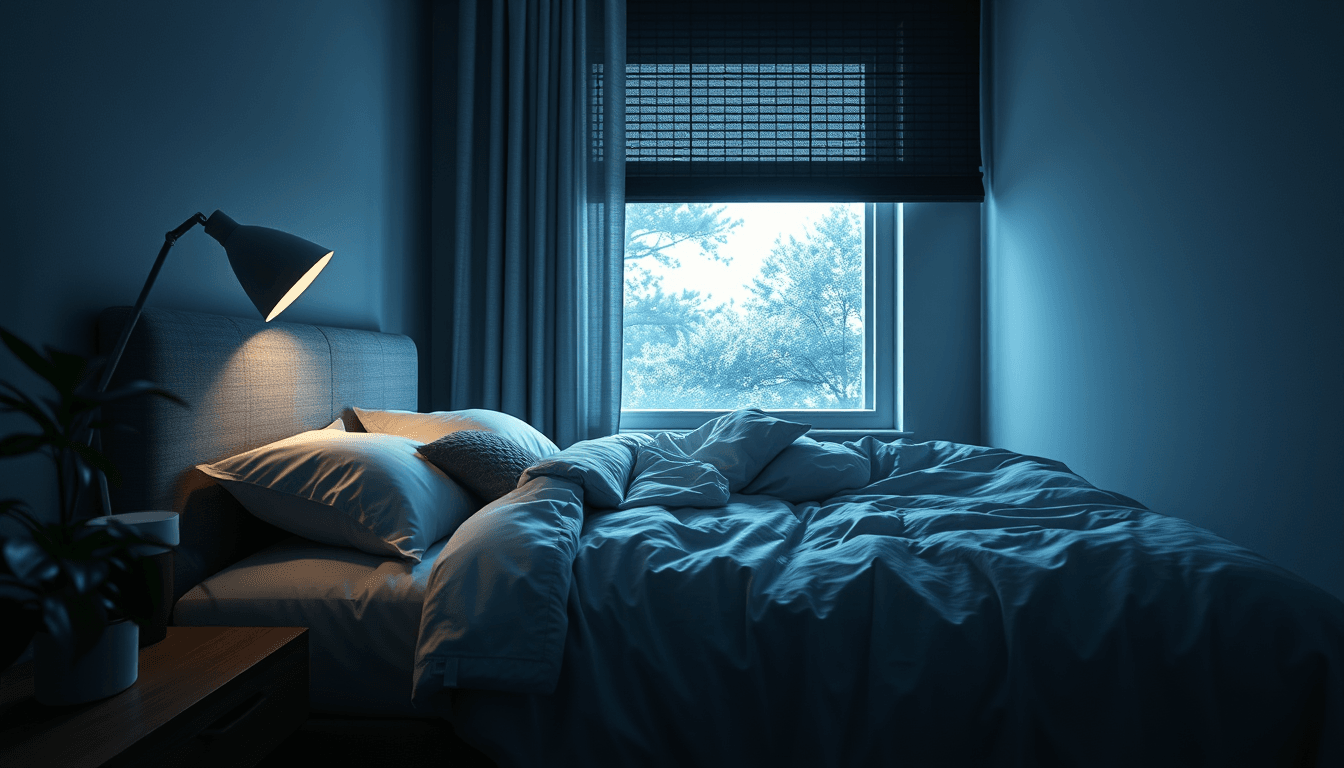
Did you know that poor sleep hygiene could be robbing you of up to 2 hours of quality rest each night? Sleep hygiene isn’t just about getting more hours in bed—it’s about training your body and mind to enter deep, restorative sleep cycles consistently.
The CDC reports that one in three adults don’t get enough sleep, but here’s the shocking truth: many of us are getting quantity without quality. Your evening Netflix binge, late-night email scrolling, or that 4 PM coffee might be the invisible barriers between you and vibrant, energetic mornings.
In this comprehensive guide, I’ll reveal the sleep hygiene habits, bedtime routine tips, sleep quality habits, circadian rhythm reset, and how to sleep better tonight that have helped thousands of people transform their nights—and their lives.
What Is Sleep Hygiene and Why Does It Matter?
Sleep hygiene refers to the collection of habits, environmental factors, and lifestyle choices that either promote or disrupt your ability to fall asleep quickly and stay asleep through complete sleep cycles. Think of it as the foundation of your nightly rest—the difference between tossing and turning for hours versus slipping into peaceful, restorative sleep within minutes.
Research from the National Sleep Foundation shows that people with good sleep hygiene fall asleep 30-40% faster and experience 50% fewer night wakings. That’s the difference between waking up feeling like you’ve been hit by a truck versus springing out of bed ready to conquer your day.
Key Benefits That Transform Your Life
- Enhanced cognitive function: Better memory consolidation and sharper focus during the day
- Improved mood regulation: Reduced irritability and lower stress hormone levels
- Stronger immune system: People sleeping 7-8 hours have 300% fewer cold symptoms
- Better physical performance: Faster recovery times and improved exercise results
- Weight management: Balanced hunger hormones and reduced late-night cravings
According to a 2023 study published in Sleep Medicine Reviews, adults who practice consistent sleep hygiene report 68% higher daily energy levels and 45% better stress management compared to those with poor sleep habits.
How To Master Sleep Hygiene – Step by Step
Step 1: Engineer Your Sleep Sanctuary
Your bedroom should be a sleep temple, not a multipurpose room. Keep your space cool (65-68°F is ideal), completely dark, and quiet. Invest in blackout curtains, consider a white noise machine, and remove all blue-light devices. The goal is creating an environment that signals “sleep mode” the moment you enter.
Step 2: Establish a Consistent Sleep Schedule
Your body thrives on routine. Go to bed and wake up at the same times every day—even on weekends. This consistency reinforces your circadian rhythm, making it easier to fall asleep and wake naturally. Research shows that irregular sleep schedules can shift your circadian clock by up to 3 hours, equivalent to flying across three time zones every weekend.
Step 3: Create a Wind-Down Ritual
Develop a 30-60 minute pre-sleep routine that calms your nervous system. This might include gentle stretching, reading physical books, meditation, or taking a warm bath. The key is consistency—your brain will learn to associate these activities with sleep onset.
Step 4: Timing Your Light Exposure
Get bright natural light within 30 minutes of waking to anchor your circadian rhythm. Then, limit blue light exposure 2-3 hours before bed, as it suppresses melatonin production. Consider blue light blocking glasses if you must use screens in the evening.
Step 5: Master the Art of Not Trying to Sleep
If you can’t fall asleep within 20 minutes, get up and do something relaxing until you feel sleepy. Staying in bed while anxious about sleep creates a negative association that worsens insomnia. Return to bed only when you genuinely feel tired again.
Common Mistakes That Wreck Your Sleep Hygiene
- Weekend sleep scheduling: Sleeping in on weekends might feel good but disrupts your circadian rhythm. Your body doesn’t know it’s Saturday—it just knows its sleep schedule got thrown off.
- Late-night exercise: Intense workouts within 3 hours of bedtime elevate core body temperature and stress hormones, making sleep more difficult.
- Alcohol as a sleep aid: While it may help you fall asleep faster, alcohol fragments sleep and reduces REM sleep quality by up to 40%.
- Watching clock anxiety: Checking the time during nighttime awakenings increases stress hormones and makes falling back asleep harder.
Expert Tips for Best Results
Track your sleep patterns using a journal or app for two weeks before making significant changes. This data helps you identify your personal sleep patterns and what works best for your unique biology.
Optimize your meal timing: Finish eating 2-3 hours before bed, with your last meal including foods rich in tryptophan and magnesium. Think small portions of turkey, nuts, or bananas rather than heavy meals.
Consider a “technology curfew” where all devices go off at least 90 minutes before your ideal sleep time. This simple change can improve sleep onset time by 20-30 minutes according to sleep specialists.
Who Should Prioritize Sleep Hygiene?
Everyone benefits from good sleep hygiene, but it’s essential for people struggling with fatigue, brain fog, weight management issues, anxiety, or anyone recovering from illness or intense physical training. Students seeing improved memory retention, professionals needing peak cognitive performance, and parents managing busy households all report significant benefits.
However, if you have diagnosed sleep disorders like sleep apnea or severe insomnia, consult a sleep specialist before making major changes. Some conditions require medical treatment alongside sleep hygiene improvements.
Conclusion
Sleep hygiene isn’t about perfection—it’s about progress. Start with one or two habits from this guide and build gradually. Your future self, waking up refreshed and energized, will thank you for the investment you make tonight.
The difference between surviving and thriving often comes down to those crucial hours of quality rest. By implementing these evidence-based strategies, you’re not just sleeping better—you’re living better.
Want more personalized guidance? Check out our in-depth guide on creating your perfect night routine for specific step-by-step instructions tailored to your lifestyle.
Frequently Asked Questions About Sleep Hygiene
How long does it take to improve sleep hygiene?
Most people notice improvements within 7-10 days of consistent practice, though your body may need 2-3 weeks to fully adjust to new sleep patterns. The key is patience and consistency rather than expecting overnight results.
Can sleep hygiene help with insomnia?
Research shows that behavioral interventions including sleep hygiene practices are effective for mild to moderate insomnia. However, chronic insomnia often requires professional medical evaluation alongside these strategies.
What’s the best time to exercise for optimal sleep hygiene?
Morning or early afternoon exercise supports your circadian rhythm best. If evening workouts are unavoidable, stick to gentle activities like yoga or walking, and finish at least 3 hours before bedtime.
Does napping ruin sleep hygiene?
Not necessarily. Short naps (20-30 minutes) before 3 PM can enhance alertness without disrupting nighttime sleep for most people. However, if you have trouble falling asleep at night, eliminating naps might improve overall sleep quality.
How can I tell if my sleep hygiene is improving?
Track metrics like time to fall asleep, nighttime awakenings, morning energy levels, and daytime alertness. Many people also notice reduced caffeine dependence and improved mood stability within weeks of improving their sleep hygiene.