
Introduction to Omega-3 and Cognitive Health
In the realm of nutritional neuroscience, omega-3 fatty acids stand out as one of the most researched nutrients for brain protection and cognitive longevity. Among the rich dietary sources of omega-3s, walnuts have emerged as a potent functional food capable of supporting mental clarity, memory retention, and neuroprotection. Scientific studies reveal that the polyunsaturated fats present in walnuts play a significant role in reducing inflammation, enhancing neuronal communication, and protecting against age-related cognitive decline.
Understanding the connection between omega-3 and cognitive function allows us to harness walnuts not just as a snack but as a strategic tool for maintaining brain health.
Omega-3 Fatty Acids in Walnuts: A Deep Dive

Walnuts are uniquely rich in alpha-linolenic acid (ALA), a plant-based omega-3 fatty acid. While omega-3 fatty acids are also found in fish oils (EPA and DHA), ALA from walnuts offers a bioactive alternative for those on plant-based diets. ALA is converted in the body into EPA and DHA, albeit in smaller amounts, contributing to cell membrane fluidity, synaptic plasticity, and anti-inflammatory pathways that are essential for cognitive resilience.
The regular consumption of walnuts ensures a steady supply of these essential fatty acids, which is critical for maintaining neural network integrity and supporting long-term memory retention.
Mechanisms of Cognitive Protection by Omega-3s
Omega-3 fatty acids influence cognitive health through several interconnected mechanisms:
1. Anti-Inflammatory Effects: Chronic inflammation is a key contributor to neurodegenerative diseases such as Alzheimer’s and dementia. Omega-3s in walnuts modulate pro-inflammatory cytokines, reducing neuroinflammation and protecting brain cells from oxidative stress.
2. Enhancement of Synaptic Plasticity: Omega-3s improve synapse formation and signaling between neurons. This facilitates better learning capacity and memory consolidation, which are crucial for preserving cognitive function in aging adults.
3. Neuroprotection via Antioxidants: Walnuts are abundant in polyphenols and vitamin E, which complement omega-3s in neutralizing free radicals and preventing oxidative neuronal damage. These antioxidants work synergistically with ALA to slow the progression of cognitive decline.
4. Improved Cerebral Blood Flow: Omega-3 fatty acids enhance endothelial function, supporting proper blood circulation to the brain. This is essential for delivering oxygen and nutrients that maintain optimal cognitive performance.
Scientific Evidence Supporting Walnuts for Brain Health
Several clinical studies underscore the impact of walnut consumption on cognitive function. For instance, a study published in the Journal of Nutrition, Health & Aging found that regular walnut intake improved memory, reasoning, and processing speed among older adults. Participants who consumed a handful of walnuts daily showed significant improvements in cognitive test scores compared to those who did not include walnuts in their diet.
Moreover, animal studies have demonstrated that omega-3s from walnuts reduce amyloid plaque accumulation in the brain, a hallmark of Alzheimer’s disease, while simultaneously enhancing neuronal regeneration. These findings highlight the long-term neuroprotective potential of incorporating walnuts into a daily diet.
Incorporating Walnuts into a Cognitive-Enhancing Diet
To maximize the omega-3 advantage, it is important to consume walnuts in ways that preserve their nutritional integrity:
Raw Walnuts: Eating raw walnuts maintains the highest concentration of ALA and antioxidants.
Walnut Oil: Cold-pressed walnut oil can be used as a salad dressing or drizzle over cooked dishes to retain omega-3 content.
Smoothies and Oatmeal: Adding ground walnuts to smoothies or breakfast cereals ensures easy digestion and nutrient absorption.
Baking Considerations: Incorporating walnuts into baked goods can be beneficial, but high heat may reduce omega-3 content, so balance raw and cooked forms.
A daily intake of 28–30 grams (approximately one ounce) of walnuts provides around 2.5 grams of ALA, sufficient to contribute meaningfully to cognitive support.
Beyond Omega-3: The Synergistic Nutrients in Walnuts
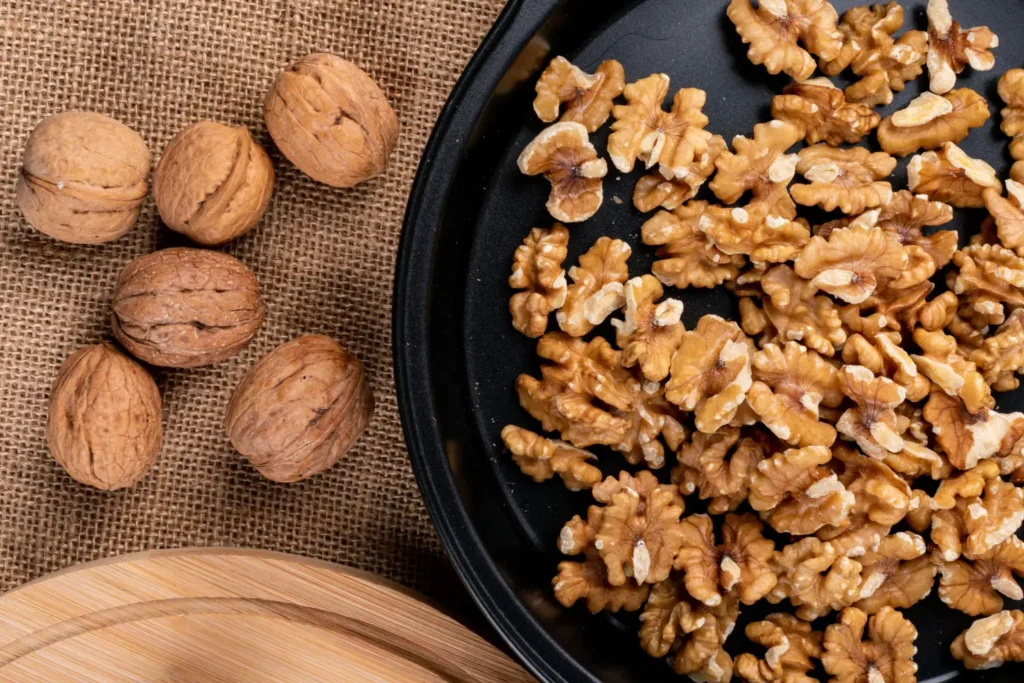
While omega-3s are the primary brain-protective compounds, walnuts contain other nutrients that synergistically support cognitive function:
Vitamin E: Protects neuronal membranes from oxidative damage.
Folate: Supports neurotransmitter synthesis and cognitive processing.
Polyphenols: Act as potent antioxidants to combat neurodegenerative stress.
Magnesium: Supports synaptic plasticity and nerve conduction.
This nutrient synergy ensures that walnuts not only supply omega-3s but also enhance their efficacy, creating a holistic approach to cognitive preservation.
Preventing Age-Related Cognitive Decline with Omega-3s
Cognitive decline often begins subtly with memory lapses, reduced attention, and slower problem-solving. Research indicates that a diet rich in omega-3 fatty acids, like those in walnuts, can delay these early signs and support long-term mental acuity.
Key strategies for prevention include:
Consistent Consumption: Incorporating walnuts daily or several times per week maximizes omega-3 intake.
Balanced Diet: Pairing walnuts with fruits, vegetables, and whole grains enhances nutrient bioavailability.
Lifestyle Integration: Combining dietary omega-3s with physical exercise, cognitive training, and stress management optimizes brain health.
These measures collectively reduce the risk of Alzheimer’s disease and other dementias, while also improving quality of life for aging populations.
Practical Tips for Selecting and Storing Walnuts
To fully benefit from the omega-3 content in walnuts, proper selection and storage are crucial:
Choose Raw Over Roasted: Raw walnuts preserve ALA and antioxidants better than roasted or salted varieties.
Check Freshness: Avoid walnuts with rancid odors, as oxidized fats lose nutritional value.
Store Properly: Keep walnuts in airtight containers in cool, dark environments; refrigeration prolongs shelf life and maintains omega-3 integrity.
Mind Portion Sizes: While beneficial, walnuts are calorie-dense, so moderation is key to avoiding excess caloric intake.
Omega-3s in Walnuts vs. Other Sources
While fish oil is widely recognized for DHA and EPA content, walnuts offer unique advantages:
Plant-Based Alternative: Ideal for vegetarians and those avoiding seafood.
Combination of Nutrients: Provides polyphenols, vitamins, and minerals alongside omega-3s.
Ease of Incorporation: Can be easily added to meals and snacks without supplements.
Consuming walnuts regularly ensures a steady supply of neuroprotective compounds while supporting overall nutritional balance.

Conclusion: The Cognitive Edge of Walnuts
Incorporating walnuts into your diet provides a strategic advantage for brain health. Their rich omega-3 content, combined with antioxidants and essential micronutrients, supports neural integrity, memory, and cognitive performance. Scientific evidence increasingly supports their role in delaying age-related cognitive decline, making them an essential component of a brain-boosting diet.
Prioritizing walnuts as a dietary staple aligns with modern approaches to preventive nutrition, offering a natural, effective, and enjoyable way to protect mental faculties throughout life.