
Introduction
Did you know that muscle growth doesn’t happen during your workout but during the recovery period afterward? Research shows that proper muscle recovery can increase strength gains by up to 30% compared to inadequate rest. Muscle recovery is where the real magic happens—transforming microscopic tears from exercise into stronger, more resilient muscle tissue. Without it, you’re essentially leaving gains on the table and risking injury. Muscle recovery is not just an afterthought—it’s the foundation of every successful fitness journey, whether you’re training for a marathon or just trying to move better in your daily life.
What Is muscle recovery?
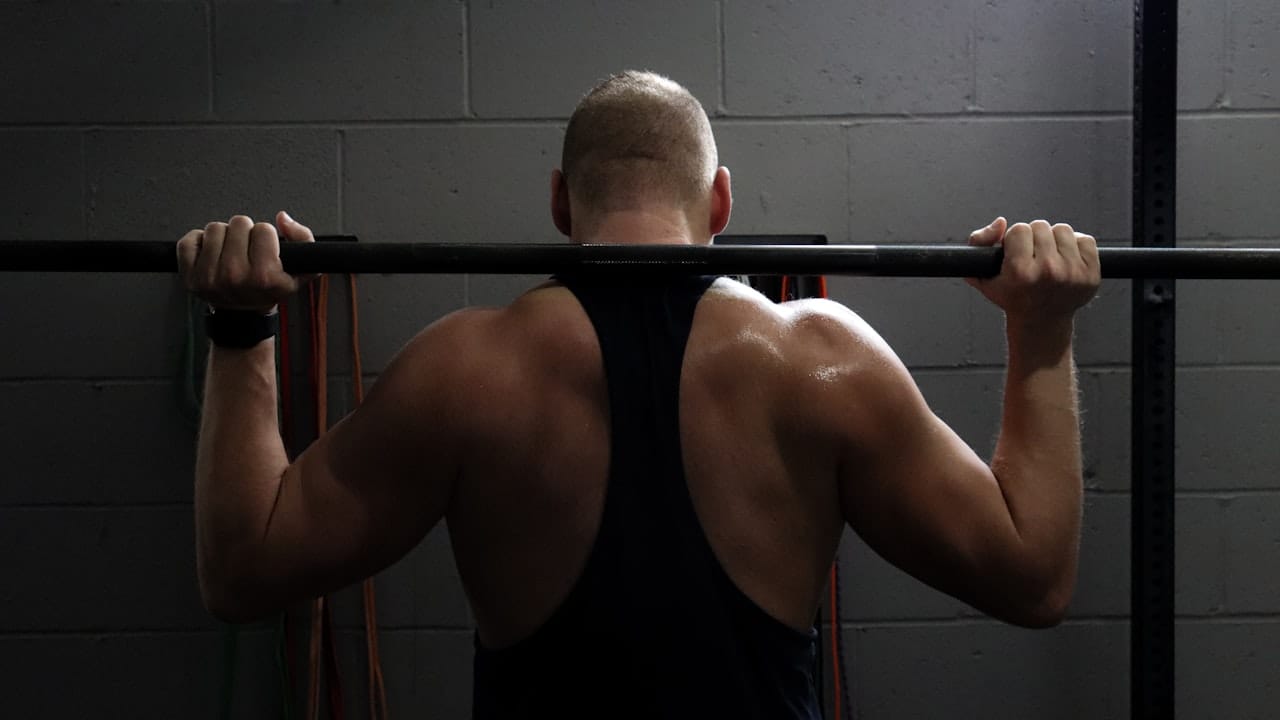
Muscle recovery is the process your body undergoes to repair and rebuild muscle tissue damaged during exercise. When you lift weights, run, or perform any type of strenuous physical activity, you create microscopic tears in your muscle fibers. During recovery, your body floods these damaged areas with nutrients, proteins, and oxygen through increased blood flow, initiating repair and growth. This process also helps reduce inflammation, restore energy stores, and eliminate metabolic waste products like lactic acid. Understanding how to recover faster after workout sessions can dramatically improve your results and keep you training consistently.
Key Benefits of muscle recovery
- Enhanced Performance: Athletes who prioritize recovery report up to 25% better performance in subsequent workouts due to adequate muscle repair and energy restoration.
- Reduced Risk of Injury: Proper recovery prevents overtraining syndrome and reduces the likelihood of overuse injuries by allowing tissues to heal completely.
- Decreased muscle soreness relief: Effective recovery strategies can reduce the duration and intensity of delayed onset muscle soreness (DOMS) by up to 50%.
- Better Sleep Quality: Active recovery days often lead to improved sleep patterns, as your body isn’t in a constant state of breakdown from daily intense training.
How To Improve Muscle Recovery — Step by Step
Step 1: Prioritize Sleep (7-9 Hours Nightly)
Your body does most of its repair work during deep sleep when growth hormone production peaks. Create a cool, dark sleeping environment and aim for consistent sleep and wake times to optimize post workout recovery tips that start before your workout even ends. Limit blue light exposure from devices 1-2 hours before bed to enhance melatonin production and improve sleep quality.
Step 2: Optimize Your Nutrition Window
Consume 20-30 grams of high-quality protein within 30-60 minutes after your workout, along with complex carbohydrates to replenish glycogen stores. Studies show the post-exercise nutrition window is crucial for jumpstarting the recovery process. Include anti-inflammatory foods like berries, fatty fish, and leafy greens to naturally support muscle soreness relief through reduced inflammation.
Step 3: Implement Active Recovery Techniques
Instead of complete rest, engage in low-intensity movement like walking, swimming, or yoga on recovery days. Active recovery increases blood flow to working muscles without causing additional muscle damage, accelerating the removal of metabolic waste and delivering nutrients where they’re needed most. Even a 15-20 minute daily walk can significantly improve your overall muscle recovery timeline.
Step 4: Use Recovery Tools Strategically
Incorporate foam rolling and massage tools to break up muscle adhesions and improve tissue quality. When done correctly, these DOMS treatment methods can reduce soreness by up to 30% when used consistently. Focus on longer recovery sessions (10-15 minutes per muscle group) rather than aggressive, painful techniques that may cause additional inflammation.
Step 5: Stay Hydrated Consistently
Water makes up about 75% of your muscle tissue, and even mild dehydration can impair recovery by reducing blood volume and nutrient delivery to working muscles. Aim for half your body weight in ounces of water daily, plus extra for intense workouts. Electrolyte replenishment becomes especially important for workouts lasting longer than 60 minutes or in hot conditions.
Common Mistakes to Avoid
- Underestimating Sleep’s Role: Skimping on sleep thinking you can “catch up later” actually delays recovery and compounds the effects of poor rest over time.
- Icing Too Much: While ice can help immediately after injury, chronic use after workouts can actually slow the natural healing process. Let your body’s inflammatory response do its necessary work in moderation.
- Inconsistent Recovery Practices: Cherry-picking recovery methods without a systematic approach leads to inconsistent results and potential plateaus in your progress.
Expert Tips for Best Results
Track your recovery progress just like you track your workouts—use a simple app or journal to record sleep quality, muscle soreness levels, and energy on training days. This data helps you identify what recovery methods work best for your body specifically. Many experienced athletes swear by contrast therapy (alternating hot and cold treatments) as a powerful muscle recovery strategy, though it’s important to start gradually and listen to your body’s response.
Who Should Try These Recovery Methods?
Everyone from weekend warriors to elite athletes can benefit from structured recovery protocols. If you train regularly (3+ times per week), experience muscle soreness relief needs, or want to improve your overall fitness results, these strategies are for you. However, if you have any chronic health conditions, recent injuries, or unusual pain during your normal activities, consult with a healthcare provider before implementing new recovery techniques to ensure they’re appropriate for your specific situation.
Conclusion
Building muscle happens outside the gym, not during your workouts. By implementing these science-backed recovery strategies, you’re setting yourself up for faster progress, fewer injuries, and better overall results from your training efforts. Remember that recovery isn’t optional—it’s where your body adapts and grows stronger. What’s your favorite recovery technique? Share in the comments below, or explore our other articles on optimizing your fitness journey, including our deep dive on active vs passive recovery to find the perfect balance for your goals.
FAQs
- How long does DOMS typically last?
DOMS usually peaks 24-72 hours after intense exercise and can last anywhere from 2-5 days. Research suggests that consistent recovery practices can reduce DOMS duration by up to 50% through inflammation management and improved muscle adaptation. - Should I train through muscle soreness?
Mild soreness (1-3 on a 1-10 scale) is usually safe to train through, but training through significant soreness (7-10) can impair performance and increase injury risk. Active recovery is recommended when dealing with how to recover faster after workout scenarios—lower intensity movement is often better than complete rest. - What foods help muscle recovery?
Protein-rich foods like eggs, lean meats, and Greek yogurt provide amino acids for muscle repair, while complex carbs replenish glycogen. Anti-inflammatory foods including tart cherries, blueberries, salmon, and turmeric have been studied for their muscle soreness relief properties due to their natural anti-inflammatory compounds. - How do I know if I’m fully recovered?
You’re likely fully recovered when you have normal energy levels, rating your muscle soreness at 2 or below, and can perform your previous workouts with the same or better quality. Tracking your resting heart rate and mood can also provide objective recovery markers alongside subjective feelings.