
You’re Swamped, Stressed, and Overwhelmed — What If 5 Minutes Could Change That?
Do you feel like your mind is constantly racing, your to-do list never ends, and stress has become your default state? You’re not alone. Studies show that over 70% of adults experience daily stress that affects their mental and physical health. What if the solution isn’t another productivity hack, but something far simpler: sitting quietly for just five minutes a day?
Research reveals that meditation for beginners guide, mindfulness benefits science, daily meditation practice, meditation for stress can actually rewire your brain for calm and clarity. The best part? You don’t need to be a spiritual guru or clear your schedule for hours. Just five minutes of mindfulness meditation can start delivering real benefits—from reduced anxiety to sharper focus.
Ready to discover how this ancient practice can transform your modern life?
What Exactly Is mindfulness meditation?
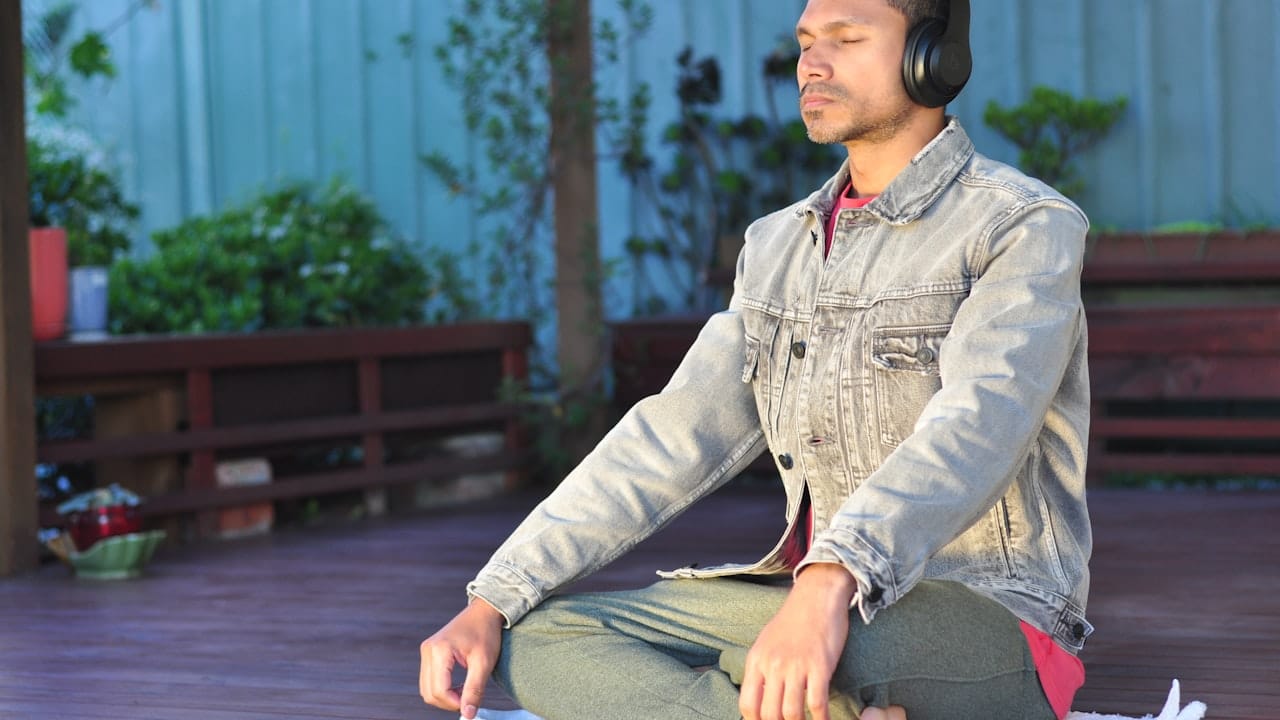
At its core, mindfulness meditation is the practice of paying attention to the present moment without judgment. Unlike clearing your mind completely, it’s about noticing your thoughts, feelings, and sensations as they arise—and letting them pass without getting carried away by them.
Think of it like watching clouds drift across the sky. Your thoughts are the clouds; you simply observe them without clinging or pushing them away. This practice trains your brain to respond to stress rather than react impulsively, creating space between stimulus and response.
Research published in the Journal of Psychiatric Research found that just eight weeks of regular mindfulness practice can actually decrease gray matter density in brain regions associated with anxiety and stress, while increasing gray matter in areas linked to learning and memory regulation.
The Real Benefits You Can Expect From Just Five Minutes a Day
- Reduced Stress and Anxiety – Studies show mindfulness meditation reduces cortisol levels by up to 17%, helping your body physically relax even when life gets chaotic.
- Improved Focus and Concentration – Regular practitioners report 30% better attention span on cognitive tests after just six weeks of daily practice.
- Better Emotional Regulation – You’ll notice you don’t get as triggered by minor annoyances, responding with calm rather than frustration.
- Enhanced Sleep Quality – Research suggests mindfulness meditation can help you fall asleep 50% faster by calming the racing mind.
- Increased Self-Awareness – You’ll start noticing patterns in your thoughts and behaviors that you can address before they become problems.
How To Start mindfulness meditation — Step by Step
Step 1: Find Your Perfect Time (Consistency Beats Duration)
Pick a specific time that works for you—first thing in the morning, during your lunch break, or right before bed. The key is consistency, not duration. Five minutes at the same time daily beats 30 minutes sporadically.
Step 2: Get Comfortable With Minimal Setup
Sit in a chair with your feet flat on the floor, or cross-legged on a cushion if that feels good. Keep your back straight but not rigid. You don’t need to twist into a pretzel—comfort matters more than tradition.
Step 3: Focus on Your Breath
Close your eyes or soften your gaze. Pay attention to the sensation of breathing—the air entering your nostrils, filling your lungs, and leaving your body. When your mind wanders (and it will), gently return to your breath. This is the practice.
Step 4: Start Small and Build Gradually
Set a timer for just three to five minutes. Beginners often think longer is better, but starting small builds the habit. Once five minutes feels comfortable, you can gradually increase to eight or ten minutes.
Step 5: Be Kind to Yourself
Notice if you start judging yourself—”I’m not doing this right” or “My mind is too busy.” Those thoughts themselves are part of the practice. The goal isn’t perfection; it’s awareness.
Common Mistakes That Derail Your Practice (And How to Fix Them)
Expecting instant results: Research shows benefits accumulate over weeks, not days. Track your mood over a month rather than judging daily sessions.
Getting frustrated when thoughts won’t stop: Having thoughts during meditation isn’t failure—it’s normal. The practice happens in noticing them and returning to breath.
Sitting in pain: Physical discomfort triggers stress responses, defeating the purpose. Choose a position that allows you to be relaxed yet alert.
Trying to meditate only when stressed: Meditation works best preventatively. Daily practice builds resilience so you’re better equipped when real challenges hit.
Expert Tips to Maximize Your mindfulness meditation Results
Use guided meditations initially: Apps like Headspace or Calm provide structure while you’re learning. Think of them as training wheels for your mind.
Anchor to existing habits: Pair your meditation with something you already do—after brushing teeth, before coffee, right after sitting at your desk. This creates a natural trigger.
Notice physical sensations: Beyond breath, observe how your body feels—tension in shoulders, warmth in hands. This deepens your body awareness.
Experiment with timing: Some people focus better in morning calm; others find evening meditation helps them sleep. Find your sweet spot through trial.
Join a community: Group meditation classes or online communities provide accountability and support when motivation dips.
Who Will Benefit Most From mindfulness meditation?
If you struggle with racing thoughts: This practice trains your brain to see thoughts as temporary rather than urgent.
If you’re dealing with work stress: Regular practitioners report 40% lower perceived stress levels at work according to recent surveys.
If you want better sleep: Evening meditation prepares your nervous system for rest rather than keeping it in high-alert mode.
If you’re a high-achiever: Paradoxically, taking five minutes to slow down can make you more productive and creative.
While mindfulness meditation is safe for most people, if you have trauma history, severe anxiety, or recent emotional trauma, consider starting under guidance from a mental health professional who can support your practice.
Your Five-Minute Practice Awaits — What Will You Discover?
You now have everything you need to start mindfulness meditation. The research is clear: just five minutes daily can rewire your brain for calm, clarity, and resilience. The barriers you imagined—time, experience, ability—simply don’t exist. What you need is willingness to begin.
Your mind is already talking you out of trying—”I’m too busy,” “I can’t sit still,” “It probably won’t work for me.” Those are just thoughts, and they’re welcome to pass through. The question is: what would change if you gave yourself permission to pause?
What’s one benefit from practicing meditation for beginners guide, mindfulness benefits science, daily meditation practice, meditation for stress that excites you most? Share in the comments below—or better yet, try it right now and come back to tell us what you noticed in just five minutes.
Ready to Go Deeper?
Once you’ve built your five-minute foundation, explore our related post on boosting mental focus naturally for advanced mindfulness techniques that build on your new practice.
FAQs: Your mindfulness meditation Questions Answered
Q: How long until I feel results from mindfulness meditation?
A: Most people notice subtle changes in stress levels within 2-3 weeks of daily practice, with more significant benefits emerging after 8 weeks.
Q: Can mindfulness meditation help with anxiety?
A: Research suggests it may reduce anxiety symptoms by helping you observe anxious thoughts without getting caught in them. Studies show up to 30% reduction in anxiety scores among regular practitioners.
Q: What if I can’t stop thinking during meditation?
A: This is completely normal! The practice isn’t about stopping thoughts but noticing when you’ve been thinking and gently returning to breath awareness. Congratulations—you’re doing it right.
Q: Do I need special equipment to start meditation?
A: No special equipment needed. A comfortable seat and 5 minutes are enough. Optional tools include meditation apps, cushions, or guided recordings as you advance.
Q: Is mindfulness meditation religious or spiritual?
A: While it has roots in Buddhist traditions, modern mindfulness meditation is practiced secularly for stress reduction and focus enhancement without any spiritual requirements.
Mindfulness meditation for beginners starts with just five minutes a day — discover how this simple practice reduces stress, sharpens focus, and rewires your brain. Learn how.