
Mild cognitive impairment is a condition that represents a critical transitional stage between normal age-related cognitive decline and more severe forms of dementia, such as Alzheimer’s disease. Recognizing mild cognitive impairment early is essential for implementing strategies that may slow its progression and improve quality of life. In this comprehensive article, we explore the early signs, risk factors, diagnostic approaches, and strategies to manage and monitor mild cognitive impairment.
Understanding Mild Cognitive Impairment
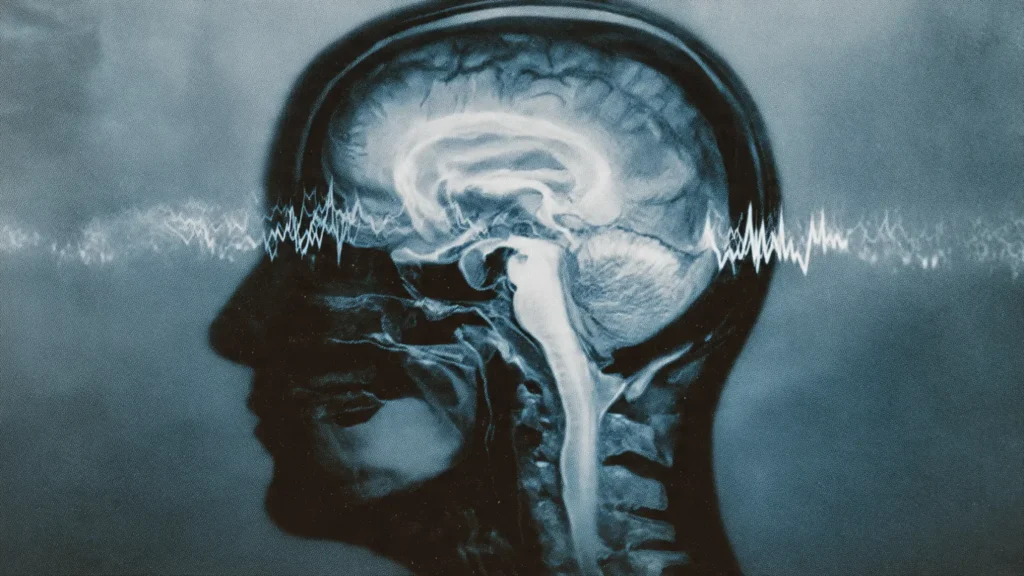
Mild cognitive impairment is characterized by noticeable changes in cognitive abilities that are greater than what is expected from normal aging but do not significantly interfere with daily life or independence. It primarily affects memory, attention, executive function, and language. Individuals with mild cognitive impairment are at a higher risk of developing dementia over time, making early detection crucial. Unlike dementia, mild cognitive impairment does not completely disrupt daily functioning, but its subtle symptoms can gradually become more noticeable.
Memory Changes as an Early Indicator
One of the most common early signs of mild cognitive impairment is memory decline, particularly short-term memory loss. Individuals may forget recent conversations, misplace personal items frequently, or struggle to remember appointments. These memory lapses are consistent and noticeable to family members or friends. Unlike ordinary age-related forgetfulness, mild cognitive impairment affects day-to-day activities such as following instructions, recalling recent events, or remembering where objects were placed.
Memory impairment in mild cognitive impairment is often specific to episodic events. For example, someone may remember distant past events in detail but struggle with recalling recent conversations or tasks. Identifying this distinction is critical for early recognition and differentiating mild cognitive impairment from normal age-related changes.
Attention and Concentration Difficulties
Alongside memory problems, individuals with mild cognitive impairment may experience difficulties with attention and concentration. Tasks that require sustained focus, multitasking, or complex decision-making may become more challenging. For instance, someone may lose track of steps in a multi-step process, become easily distracted during meetings, or have difficulty focusing on reading or listening tasks. These attention deficits can affect work, hobbies, and social interactions, making early recognition important for timely intervention.
Language and Communication Challenges
Language difficulties are often present in mild cognitive impairment. People may struggle to find the right words, repeat themselves, or have trouble following conversations. Writing may also be affected, with errors in grammar, spelling, and organization of thoughts. These communication challenges can interfere with professional and social activities and contribute to frustration and social withdrawal. Monitoring changes in language and communication skills can provide valuable clues about cognitive health.
Impairments in Executive Function
Executive function refers to skills such as planning, problem-solving, decision-making, and task management. Early signs of mild cognitive impairment in executive function include difficulty organizing activities, managing finances, or following through with plans. Individuals may make errors in judgment, have trouble prioritizing tasks, or struggle to complete routine activities efficiently. These deficits often manifest subtly but can gradually impact independence and quality of life.
Behavioral and Emotional Indicators
Mild cognitive impairment can also be associated with changes in mood and behavior. Emotional and behavioral symptoms may include increased irritability, anxiety, depression, withdrawal from social activities, and reduced motivation. These changes often accompany cognitive decline and can negatively impact personal relationships and social engagement. Observing shifts in emotional responses and behavior, in addition to cognitive symptoms, provides a more complete picture of an individual’s condition.
Risk Factors Contributing to Mild Cognitive Impairment

Understanding the risk factors associated with mild cognitive impairment allows for proactive monitoring and preventive strategies. Common risk factors include:
Age, as the prevalence of mild cognitive impairment increases in individuals over 60
Family history of Alzheimer’s disease or other dementias
Cardiovascular conditions, such as hypertension, diabetes, high cholesterol, and obesity
Lifestyle factors, including smoking, excessive alcohol consumption, poor diet, and physical inactivity
Mental health issues, including chronic stress, depression, and anxiety
Addressing modifiable risk factors through lifestyle changes, medical management, and cognitive training may reduce the likelihood of progression from mild cognitive impairment to dementia.
Diagnostic Approaches for Mild Cognitive Impairment
Diagnosing mild cognitive impairment requires a comprehensive evaluation that combines clinical assessment, cognitive testing, and sometimes neuroimaging. Diagnostic approaches include:
Clinical history and physical examination to assess memory complaints, cognitive changes, and overall health
Neuropsychological testing to measure memory, attention, executive function, and language skills
Laboratory tests to rule out vitamin deficiencies, thyroid disorders, infections, and other medical conditions contributing to cognitive decline
Neuroimaging, such as MRI or CT scans, to detect structural brain changes including atrophy, lesions, or vascular damage
Early diagnosis enables targeted interventions, monitoring of disease progression, and timely support for patients and caregivers.
Lifestyle Interventions for Cognitive Health

Research indicates that lifestyle modifications can support brain health and slow the progression of mild cognitive impairment. Key interventions include:
Regular physical activity, which improves blood flow to the brain, enhances neuroplasticity, and reduces cardiovascular risk. Activities like walking, swimming, or strength training are particularly beneficial
Cognitive exercises, such as puzzles, memory training, language learning, and other mentally challenging activities, help maintain neural connections
A balanced diet, rich in fruits, vegetables, whole grains, lean proteins, and omega-3 fatty acids, which supports brain function. The Mediterranean diet is associated with reduced cognitive decline
Social engagement, maintaining regular interactions with family, friends, and community to reduce isolation and support mental health
Adequate sleep, which is crucial for memory consolidation, brain repair, and toxin clearance
Combining these strategies creates a holistic approach to preserving cognitive abilities and improving overall quality of life.
Medical Management and Monitoring
Although there is no medication that specifically reverses mild cognitive impairment, medical management focuses on controlling underlying conditions and monitoring cognitive health. Strategies include:
Managing cardiovascular risk factors such as high blood pressure, diabetes, and cholesterol
Treating depression, anxiety, or other mental health conditions that may worsen cognitive decline
Periodic cognitive assessments to track changes over time
Participation in clinical trials for emerging therapies targeting cognitive impairment
Proactive medical care, combined with lifestyle interventions, offers the best approach for preserving cognitive function and slowing progression.
The Role of Family and Caregivers
Family members and caregivers play a critical role in supporting individuals with mild cognitive impairment. Early involvement allows for monitoring symptoms, encouraging adherence to lifestyle interventions, and maintaining safety in daily routines. Caregivers also provide emotional support, help manage appointments and medications, and assist in creating structured environments that enhance independence. Open communication between healthcare professionals, patients, and families ensures a collaborative approach to cognitive health.
When to Seek Professional Evaluation

Early evaluation by healthcare professionals is essential when individuals or families notice:
Persistent forgetfulness that affects daily life
Difficulty completing familiar tasks
Confusion in new situations
Behavioral or personality changes
Withdrawal from social or professional activities
Timely assessment by a neurologist, geriatrician, or neuropsychologist allows for accurate diagnosis, early intervention, and access to resources and support systems.
Prognosis and Long-Term Outlook
The progression of mild cognitive impairment varies significantly among individuals. Some may remain stable for many years, while others may develop dementia. Early detection, combined with lifestyle interventions, cognitive exercises, and medical management, can slow the progression and improve quality of life. Regular monitoring and adaptive strategies are essential for maintaining independence, functional abilities, and emotional well-being over the long term.

Conclusion
Mild cognitive impairment is a condition that warrants careful attention and early intervention. By understanding the early indicators, addressing risk factors, and implementing lifestyle and medical strategies, individuals can preserve cognitive function and potentially delay the onset of dementia. Family involvement, professional guidance, and proactive management play key roles in supporting individuals with mild cognitive impairment and enhancing their overall quality of life.