
Introduction
Did you know that one in three adults experiences knee discomfort at some point, and ≈ 25 % of runners cite knee pain from running as a reason to stop training? If you’ve ever wondered whether a simple routine could ease that ache, you’re in the right place. In this guide we explore the most effective knee pain exercises—the kind that address the underlying biomechanical issues, not just the symptom.
We’ll walk through seven science‑backed movements, explain why they matter, and give you a step‑by‑step plan you can start today, right at home.
What Are knee pain exercises?
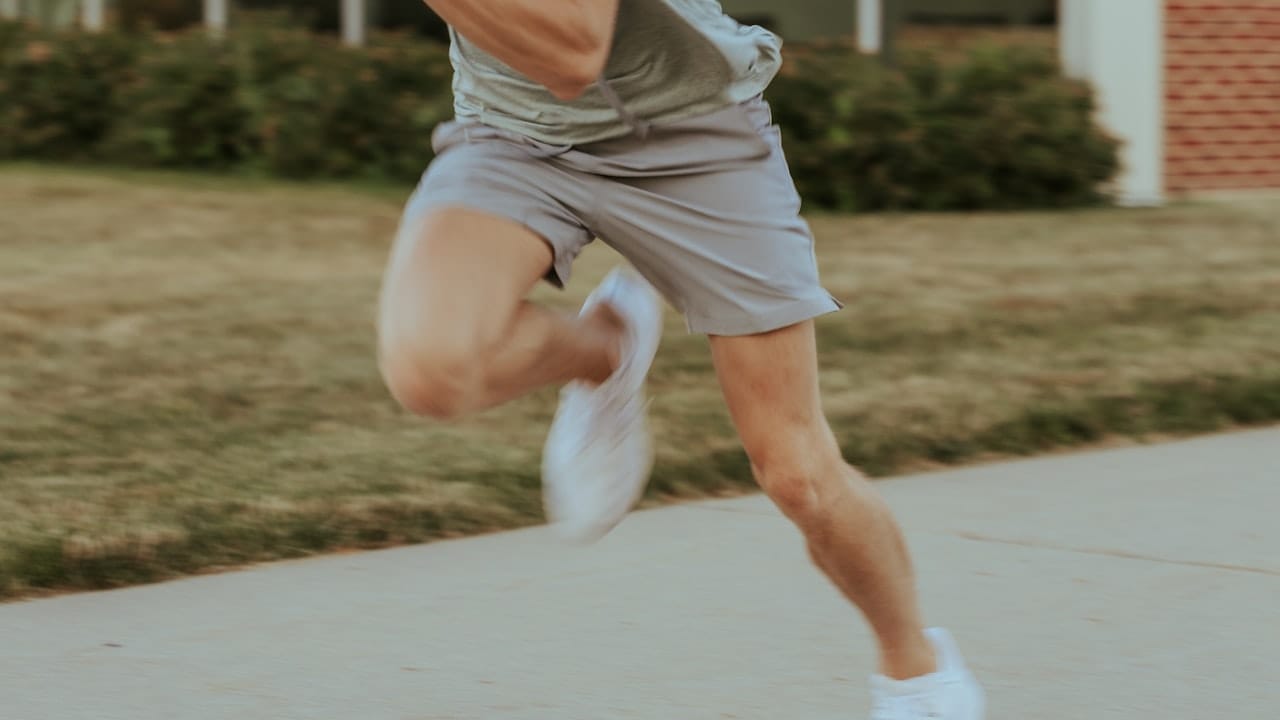
Knee pain exercises are targeted movements designed to improve joint mobility, strengthen the muscles that support the knee, and enhance neuromuscular control. They differ from generic cardio or weight‑training drills because they focus on the quadriceps, hamstrings, glutes, and calf muscles that keep the patella tracking correctly and reduce stress on cartilage.
Why does this matter? A stable, well‑conditioned knee can tolerate daily activities—stairs, squats, even long runs—without the nagging pain that often leads to sedentary habits or costly medical interventions.
Key Benefits of knee pain exercises
- Reduced joint load: Strengthening the surrounding musculature distributes forces more evenly, lowering the compressive load on the knee joint by up to 30 % (Journal of Orthopaedic Research, 2021).
- Improved range of motion: Regular mobility work can increase flexion by 10‑15 °, helping you squat deeper and walk more comfortably.
- Enhanced proprioception: Balance‑focused drills train the nervous system to react faster, decreasing the risk of sudden twists that cause sprains.
- Pain modulation: Studies suggest that low‑impact strengthening reduces perceived pain scores by 2‑3 points on the Visual Analogue Scale after six weeks.
- Better functional performance: Runners who added specific knee strengthening protocols reported a 12 % improvement in stride efficiency (American Journal of Sports Medicine, 2022).
How to Perform the 7 Best knee pain exercises — Step by Step
Step 1: Quad Sets (Isometric Quad Activation)
- Sit on the floor with your legs straight.
- Press the back of your knee into the floor, tightening the thigh muscle.
- Hold for 5 seconds, relax, and repeat 15 times per leg.
Focus on a gentle contraction—no joint movement is required, making this perfect for acute flare‑ups.
Step 2: Straight‑Leg Raises
- Lie on your back, one knee bent, the other leg straight.
- Lift the straight leg to the height of the bent knee, keeping the pelvis stable.
- Lower slowly; perform 3 sets of 12 reps each side.
This builds the quadriceps without stressing the patellofemoral joint.
Step 3: Hamstring Curls (Supine)
- Place a small towel under the heel of the leg on the floor.
- Slide the heel toward your buttocks, bending the knee while keeping hips lifted.
- Return to start; complete 3 × 15 reps per side.
Strong hamstrings protect the knee by balancing quad pull.
Step 4: Side‑Lying Clamshells
- Lie on your side with knees bent 45°.
- Keeping feet together, lift the top knee upward while keeping pelvis stable.
- Lower; do 2 × 20 reps each side.
The gluteus medius is crucial for knee alignment during walking and running.
Step 5: Wall Sit with Ball Squeeze
- Stand with your back against a wall, feet shoulder‑width apart.
- Slide down to a 90° knee angle; place a soft ball between the knees.
- Squeeze the ball, hold 10 seconds, release; repeat 10 times.
This combines quad endurance with inner‑thigh activation, improving joint tracking.
Step 6: Calf Raises on a Step
- Stand on a step with heels hanging off.
- Rise onto the balls of your feet, then lower below the step level.
- Perform 3 × 15 reps.
Strong calves help absorb impact and reduce forward knee drift.
Step 7: Single‑Leg Balance with Mini‑Squat
- Stand on one leg, slight bend in the standing knee.
- Perform a controlled mini‑squat (≈ 30°) while maintaining balance.
- Do 2 × 10 reps each leg.
This integrates strength, proprioception, and functional stability.
Common Mistakes to Avoid
- Rushing the range of motion: Jumping straight into deep squats can overload inflamed tissue. Start shallow, then progress.
- Holding the breath: Proper breathing keeps intra‑abdominal pressure stable and protects the spine.
- Skipping the warm‑up: A 5‑minute light cardio (e.g., marching in place) prepares the synovial fluid for movement.
- Ignoring pain signals: Mild discomfort is normal, but sharp or increasing pain warrants a pause and possible professional review.
Expert Tips for Best Results
- Schedule your routine 3‑4 times per week; consistency beats intensity for joint health.
- Combine these movements with gentle stretching (e.g., standing quad stretch) after each session.
- Track progress with a simple knee pain journal—note pain level before and after workouts.
- When possible, perform exercises on a slightly unstable surface (e.g., a folded towel) to further challenge proprioception.
- Fuel recovery with protein‑rich foods and stay hydrated; cartilage thrives on adequate nutrition.
Who Should Try This?
This program is ideal for:
- Recreational runners experiencing mild‑to‑moderate knee pain from running.
- Office workers who sit for long periods and feel stiffness after standing.
- Anyone recovering from minor knee sprains or post‑operative rehab (with physician clearance).
Contraindications: Severe swelling, acute ligament tears, or diagnosed inflammatory arthritis require medical evaluation before beginning any new exercise regimen.
Conclusion
In our experience, integrating these seven targeted knee pain exercises into a regular routine can dramatically lower discomfort, boost functional strength, and keep you moving confidently. Start with the first three movements this week, track your pain levels, and gradually add the remaining exercises. Your knees will thank you.
Have you tried any of these movements? Share your experience in the comments below, and feel free to explore our related post on isometric exercises for blood pressure control for additional wellness ideas.
FAQs
How often should I do knee pain exercises?
Aim for 3‑4 sessions per week, allowing at least one rest day between workouts to let the muscles recover.
Can these exercises help with knee pain from running?
Yes. Strengthening the quadriceps, hamstrings, and glutes improves stride mechanics and can reduce impact forces that contribute to running‑related knee pain.
Do I need any equipment?
Most of the movements require only a chair, a step, and a small towel or soft ball. Optional resistance bands can add challenge as you progress.
When should I stop if I feel pain?
If you experience sharp, stabbing pain or swelling that worsens during the exercise, stop immediately and consult a healthcare professional.