
Fiber rich foods boost gut health, blood sugar control and longevity; discover why most miss the mark and how you can start fixing it today. Learn how.
Fiber rich foods: Why Most People Are Deficient and How to Fix It Starting Today
Did you know that over 95% of adults fall short of the daily fiber goal, even though fiber rich foods are among the most powerful tools for gut health, stable blood sugar, and long‑term vitality? If you’ve ever felt sluggish after meals, struggled with irregular digestion, or wondered why your energy crashes mid‑day, the answer may lie in the fiber you’re missing. In this post you’ll learn exactly why fiber rich foods matter, which foods deliver the highest punch, and a step‑by‑step plan to integrate them into every day life—starting right now.
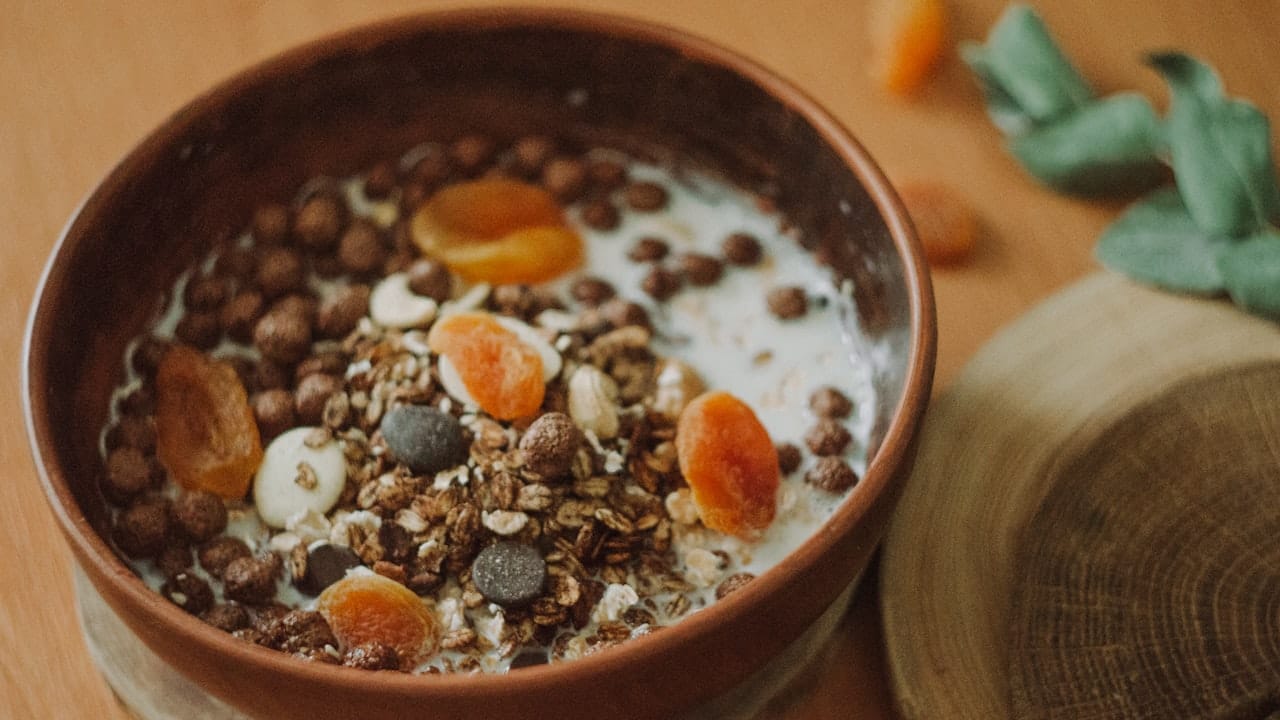
Why fiber rich foods Matters More Than You Think
Fiber is a type of carbohydrate that your body can’t break down, so it travels intact through the digestive tract. This may sound simple, but the downstream effects are anything but. Soluble fiber ferments in the colon, feeding beneficial gut bacteria and producing short‑chain fatty acids like butyrate, which support the gut lining and modulate inflammation. Insoluble fiber adds bulk, speeds transit, and helps maintain regular bowel movements.
Research from the NIH shows that adults who meet the recommended 25–30 g/day of fiber have a 20% lower risk of coronary heart disease and a 15% reduction in type‑2 diabetes incidence (NHANES, 2021). Moreover, a Harvard Health review linked high fiber intake to improved insulin sensitivity, lower cortisol spikes after meals, and even modest extensions of telomere length—markers of cellular aging.
Key Benefits of fiber rich foods Backed by Science
- Improved blood sugar stability – Soluble fiber forms a gel that slows glucose absorption, preventing rapid insulin spikes and supporting steady energy.
- Enhanced gut microbiome diversity – Fermentation fuels probiotic strains that produce metabolites linked to reduced inflammation and better mood regulation.
- Lower cholesterol and heart risk – Viscous fiber binds bile acids, prompting the liver to use cholesterol to replace them, thus lowering LDL levels.
- Increased satiety and weight management – Bulk creates a feeling of fullness, helping you eat fewer calories without losing nutrients.
- Support for longevity pathways – Short‑chain fatty acids activate AMPK and SIRT1, enzymes associated with mitochondrial health and lifespan extension.
The Science Behind fiber rich foods: What’s Actually Happening in Your Body
When you consume fiber rich foods, the soluble fraction dissolves in water and becomes a gummy matrix in your small intestine. This matrix slows the enzymatic breakdown of starches, meaning glucose enters the bloodstream more gradually. As a result, insulin release is smoother, cortisol spikes are blunted, and your nervous system stays calmer—great news for sleep quality and HRV.
Once the fiber reaches the colon, resident microbes feast on it, producing short‑chain fatty acids (SCFAs) such as acetate, propionate, and butyrate. Think of SCFAs as the “fuel” that powers colon cells, strengthens the gut barrier, and sends anti‑inflammatory signals to the brain via the vagus nerve. This gut‑brain communication can improve focus, lower perceived stress, and even fine‑tune your circadian rhythm by influencing melatonin precursors.
Insoluble fiber, on the other hand, adds structure to stool, reducing transit time and preventing the buildup of harmful metabolites that could otherwise trigger oxidative stress. Together, the two fiber types create a synergistic environment for metabolic efficiency, hormonal balance, and cellular repair.
How to Use fiber rich foods: A Step-by-Step Guide
Step 1: Audit Your Current Intake
Start by tracking everything you eat for three days using a nutrition app. Look for the total grams of fiber—most apps list this under “Fiber (g).” If you’re below 20 g, you have room to improve.
Step 2: Add One High‑Fiber Item to Every Meal
Choose from the high fiber foods list, benefits of dietary fiber, fiber for gut health, soluble vs insoluble fiber here. For breakfast, sprinkle chia seeds (10 g fiber per ounce) into Greek yogurt. At lunch, pair a mixed greens salad with a half‑cup of cooked lentils (8 g). For dinner, roast a cup of Brussels sprouts (4 g) and add a side of quinoa (5 g).
Step 3: Hydrate Strategically
Fiber draws water into the gut; aim for an extra 500 ml (≈16 oz) of water each time you increase fiber by 5 g. This prevents constipation and helps SCFA production.
Step 4: Monitor & Adjust Over 30 Days
Use a simple log: note energy levels, bowel regularity, and any bloating. If you experience discomfort, reduce insoluble sources first and increase soluble options like oat bran or psyllium husk gradually.
Common Mistakes People Make With fiber rich foods
- Overloading too quickly – Jumping from 10 g to 35 g in a day often causes gas and cramps. Build up 5 g per week.
- Ignoring fluid needs – Without enough water, fiber can actually worsen constipation.
- Choosing low‑nutrient “fiber bars” – Many processed snacks add isolated inulin but lack vitamins, minerals, and phytonutrients.
- Skipping the diverse mix – Relying solely on one source (e.g., only psyllium) limits the range of gut bacteria you nourish.
How to Personalize fiber rich foods for Your Body
| Profile | Recommended Focus | Why |
|---|---|---|
| Sedentary office worker | Increase soluble fiber (oats, apples, beans) | Stabilizes glucose and reduces post‑lunch energy crash. |
| Endurance athlete | Higher insoluble fiber (whole grain pasta, berries) | Promotes regularity and prevents GI distress during training. |
| Middle‑aged adult (45+) | Blend of both plus prebiotic‑rich foods (garlic, leek) | Supports gut microbiome diversity linked to reduced inflammation. |
| Biohacker/ longevity seeker | Focus on fermented high‑fiber combos (kimchi + chickpeas) | Maximizes SCFA production and AMPK activation. |
Expert Tips to Get the Best Results
- Time it with your circadian rhythm – Eat the bulk of your fiber at lunch and dinner; a light morning fiber boost (e.g., ground flax) supports stable cortisol levels throughout the day.
- Stack with protein and healthy fats – Pairing fiber with omega‑3 rich salmon or avocado slows gastric emptying further, enhancing satiety.
- Track progress with a sleep or HRV app – Notice if nightly recovery improves as your gut becomes more balanced.
- Use fermented foods – Adding kefir or sauerkraut alongside fiber fuels probiotic growth, amplifying SCFA output.
- Rotate your sources weekly – Variety prevents bacterial adaptation and keeps the microbiome vibrant.
Who Is This For?
- Stressed professionals seeking steady energy and reduced cortisol spikes.
- Athletes wanting faster recovery and better gut tolerance.
- People with irregular digestion or occasional bloating.
- Biohackers and longevity enthusiasts looking to activate AMPK pathways.
- Anyone aiming to improve sleep quality, blood sugar, and overall inflammation.
If you have a diagnosed gastrointestinal condition, thyroid disorder, or are pregnant, consult your doctor before dramatically increasing fiber.
Conclusion
Integrating more fiber rich foods into your meals is a low‑cost, science‑backed strategy that can stabilize blood sugar, nurture a thriving gut microbiome, and support longevity pathways—all while boosting daily energy and mental clarity. Start with a simple audit, add one high‑fiber item per meal, stay hydrated, and watch your body respond over the next month.
We’d love to hear how you’re personalizing your fiber intake. Share your favorite high‑fiber recipe in the comments, and don’t forget to explore our guide on fiber rich foods for deeper insights.
Frequently Asked Questions
What is the difference between soluble and insoluble fiber?
Soluble fiber dissolves in water, forming a gel that slows glucose absorption and feeds gut bacteria. Insoluble fiber adds bulk and speeds stool transit. Both are essential for optimal gut health.
How much fiber should I aim for each day?
Most health authorities recommend 25 g for women and 30 g for men per day, though individual needs may vary based on activity level and digestive health.
Can fiber help with blood sugar control?
Yes. Studies indicate that soluble fiber can reduce post‑meal glucose peaks by up to 20%, improving insulin sensitivity and protecting against type‑2 diabetes.
Do I need to take fiber supplements?
Whole foods are always preferred because they provide vitamins, minerals, and phytonutrients alongside fiber. Supplements can help fill gaps, but aim for natural sources first.
Will increasing fiber affect my sleep?
By stabilizing blood sugar and reducing nighttime cortisol spikes, a fiber‑rich diet can promote deeper, more restorative sleep, especially when paired with a balanced dinner.